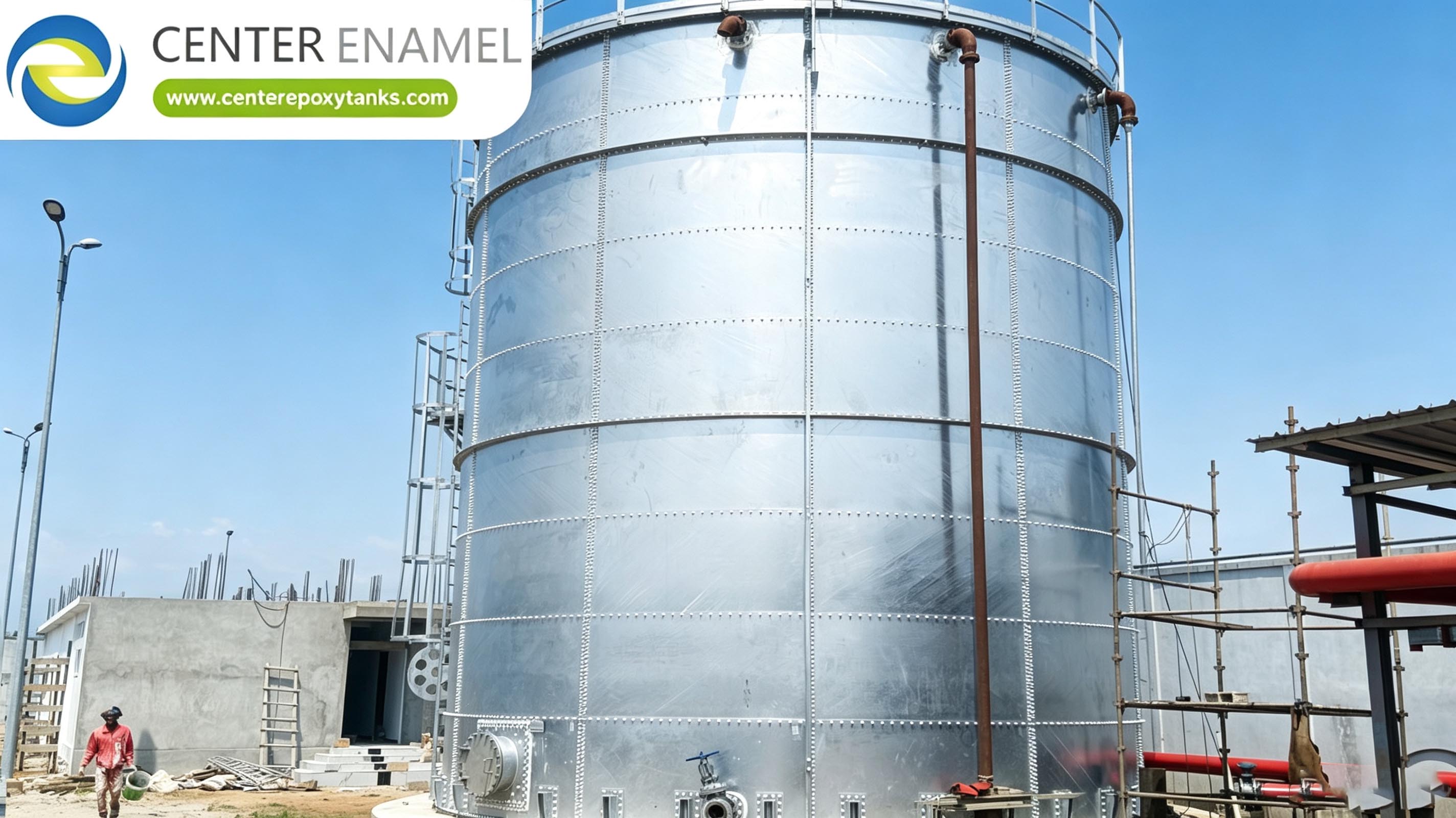
Galvanized Metal Feed Bins: Engineering Durable Storage for Livestock and Agricultural Operations
In livestock management, poultry farming, and general ranching, maintaining the nutritional integrity and freshness of animal feed is vital to animal health and farm profitability. Storing bulk grains, pellets, and seeds requires rugged containment solutions capable of protecting contents against moisture, condensation, extreme temperature shifts, and destructive pests.
The universal industry standard for agricultural feed protection is the galvanized metal feed bin. Ranging from compact, manual multi-gallon storage cans to massive, automated bulk feed silos, these structures utilize high-tensile steel shielded with protective zinc coatings to deliver decades of reliable service.
Core Engineering Principles and Material Protection
The structural longevity and protective performance of galvanized metal feed bins rely on advanced metallurgical and geometric design:
G-90 Hot-Dip Galvanization: Steel panels are coated with a continuous layer of zinc via hot-dip galvanizing (often meeting G-90 specifications). This zinc barrier provides exceptional corrosion resistance against rain, humidity, and animal waste ammonia, while offering sacrificial cathodic protection if scratched.
Corrugated Panel Architecture: Sidewall sheets feature precision-rolled corrugations that enhance structural rigidity. This engineering design allows the bin walls to withstand high outward lateral pressures from stored feed while reflecting direct sunlight to minimize internal temperature fluctuations.
Condensation and Moisture Control: By reducing internal temperature spikes between day and night cycles, corrugated metal construction greatly lowers the risk of nocturnal condensation, preventing mold formation and feed caking.
Primary Configurations: Manual Storage Cans vs. Bulk Feed Silos
Agricultural operations deploy distinct categories of galvanized feed bins depending on herd size and handling automation:
Manual Farm Feed Cans and Bins: Typically ranging from 6 to 31 gallons, these portable containers feature tight-fitting, deep-drawn lids and offset bottoms. They are indispensable for smaller barns, pet food storage, and daily rationing, providing a completely rodent-proof barrier.
Bulk Commercial Hopper Silos: High-capacity vertical tanks (ranging from 2.5 to 30+ tons) engineered with sloped hopper bottoms (60° or 67°). They utilize pneumatic or mechanical auger filling systems to feed automated livestock lines efficiently on poultry and pig farms.
Comprehensive Comparison of Galvanized Feed Storage Options
Technical Parameter | Manual Galvanized Feed Cans | Mini-Hopper Bins (Farm Scale) | Bulk Commercial Feed Silos |
Capacity Range | Small scale (6 to 31 gallons / portable) | Moderate scale (1.5 to 3 tons) | High-volume commercial scale (3 to 30+ tons) |
Loading & Unloading | Manual top lid access and scoop removal | Gravity hopper flow with slide gates or boots | Pneumatic fill pipes, mechanical augers, and drop tubes |
Pest & Rodent Defense | 100% rodent-proof heavy steel construction and tight locking lids | Sealed mechanical design preventing rodent intrusion | Sealed overhead structure with secure fill caps |
Primary Applications | Small stables, horse barns, and daily feed supplements | Medium-scale livestock yards and specialized animal pens | Large-scale commercial poultry, swine, and dairy facilities |
Frequently Asked Questions (FAQ)
Q: What is a galvanized metal feed bin?
A: It is an agricultural storage container or silo constructed from zinc-coated steel, engineered to protect livestock feed, grain, and seeds from moisture, mold, weathering, and rodents.
Q: Are galvanized metal feed bins rodent-proof?
A: Yes. Unlike plastic or wooden containers, heavy-duty galvanized steel bins cannot be chewed through by mice, rats, or wildlife, making them the safest option for secure feed storage.
Q: How do galvanized feed bins prevent feed from molding?
A: The corrugated metal exterior reflects sunlight and minimizes day-to-night temperature fluctuations, significantly reducing internal condensation and moisture accumulation that causes feed to spoil or congeal.
Q: What is the difference between a manual feed can and a bulk feed silo?
A: Manual feed cans are smaller, portable containers designed for manual scooping in small barns, whereas bulk silos are large, permanent vertical structures equipped with automated augers and hopper bottoms for high-capacity livestock operations.


