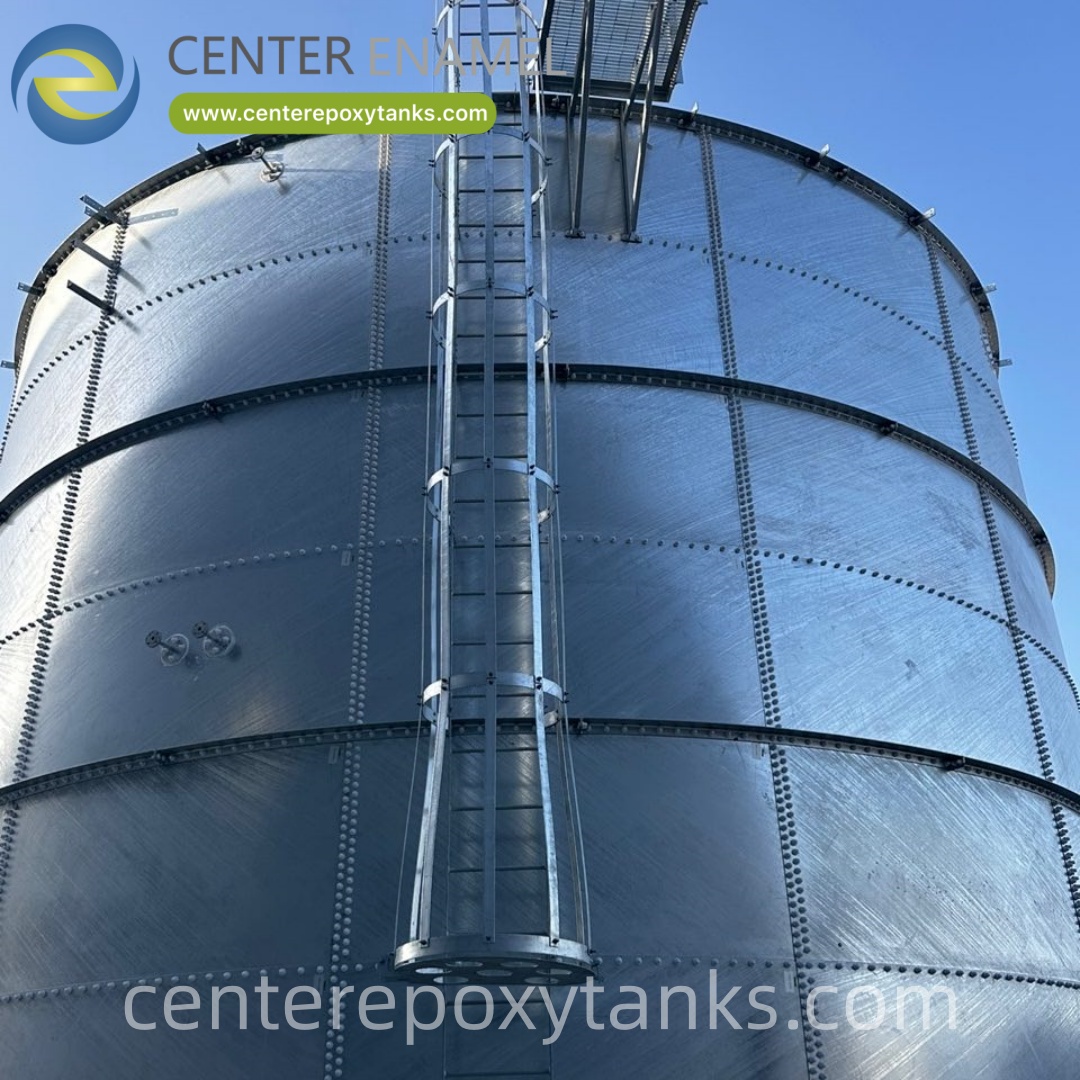
Galvanized Steel Feed Hopper Bins: Engineering, Durability & Agricultural Efficiency
For modern livestock operations, feed management is a primary variable in operational profitability. The galvanized steel feed hopper bin represents the industry standard for on-farm feed storage, balancing structural integrity with automated, labor-free feed dispensing. By utilizing a gravity-fed hopper bottom, these bins eliminate the manual labor associated with flat-bottom storage while protecting feed quality from moisture, pests, and environmental degradation through high-grade zinc-coating protection.
1. The Engineering of Gravity Flow and Bridging Prevention
The defining feature of a feed hopper bin is the conical bottom, which is precision-engineered to utilize gravity as the primary dispensing mechanism.
Solving the "Bridging" Challenge
A common failure in feed storage is "bridging" or "rat-holing," where feed arches inside the bin, stopping the flow and potentially spoiling the stagnant product. Modern hopper designs solve this through:
● Steep Slope Angles: Standard designs utilize a hopper slope (typically 60° to 67°) calculated specifically to match the Angle of Repose of the stored feed (e.g., pelleted feed vs. ground meal).
● Smooth Seam Transitions: Engineering the inner connection between the cylindrical wall and the hopper cone to be flush, ensuring there are no ledges for feed to hang up on.
2. Material Science: Why Galvanization Matters
The "galvanized" aspect is not merely a color; it is a critical electrochemical defense against the harsh, humid, and ammonia-rich environment of an agricultural facility.
● Zinc Coating Weights: Trusted manufacturers specify coating weights—commonly G-90 (0.90 oz of zinc per square foot) or G-115 (1.15 oz per square foot). This zinc layer acts as a "sacrificial anode," meaning it oxidizes before the underlying steel, providing decades of rust-free service even in high-humidity climates.
● Reflectivity: The bright metallic finish reflects solar radiation, helping maintain lower internal temperatures and reducing the risk of mold growth or feed fermentation caused by excessive heat.
3. Comparative Analysis: Storage Configurations
Choosing between bin types significantly impacts the farm's daily labor profile and long-term capital expenditure.
Feature | Galvanized Hopper Bottom Bin | Flat-Bottom Steel Silo | Rigid Plastic/Poly Bin |
Discharge Method | Automated Gravity | Manual / Auger Sweep | Gravity |
Labor Requirement | Low (Automatic) | High (Manual cleanout) | Low |
Moisture Resistance | High (Corrosion proof) | Moderate | High (Does not rust) |
Structural Integrity | Excellent (Steel) | Excellent | Variable (Sun/UV fatigue) |
Capacity Scalability | Fixed | Highly Scalable | Low |
Cost Profile | Moderate / High | Low | Moderate |
4. Key Procurement Specifications for Farm Managers
When vetting a manufacturer for feed hopper bins, evaluate these technical benchmarks to ensure you are purchasing a long-term asset rather than a temporary solution:
1. Stiffener Geometry: Look for external vertical stiffeners that extend the full length of the bin. These provide structural rigidity against wind loads and prevent wall buckling when the bin is filled with high-density feed.
2. Seam Integrity: High-quality bins use high-strength, rust-proof bolts with factory-installed rubber or EPDM washers. This ensures a hermetic seal against rainwater ingress, which is the primary cause of feed spoilage.
3. Foundation Compatibility: Ensure the hopper bin comes with a factory-engineered concrete slab drawing. Uneven settling or improper slab design is the #1 cause of structural failure in large hopper bins.
4. Safety Access: Prioritize bins with standardized, safety-rated ladders and access hatches (meeting ISO or OSHA safety standards) to facilitate easy internal inspections.
5. Frequently Asked Questions (FAQ)
Q: Can these bins handle high-moisture feeds?
A: Hopper bins are designed primarily for dry, free-flowing feed (pellets, ground grain, crumbles). High-moisture feeds tend to stick and bridge. If you must store damp commodities, ensure the bin is fitted with an internal aeration system or vibratory flow-aid device.
Q: How often does the galvanization require maintenance?
A: In a standard environment, high-quality G-90/G-115 galvanization is maintenance-free for 15–25 years. We recommend an annual visual inspection for scratches or impact damage. If the zinc coating is breached, a cold-galvanizing (zinc-rich) paint should be applied immediately to stop the spread of rust.
Q: Why do some bins have different hopper angles?
A: The angle is determined by the "flowability" of your specific feed. Pelleted feed flows easily at 60°, whereas ground soybean meal or fibrous materials require steeper angles (up to 67°) to prevent the bridging mentioned in Section 1.
Investing in galvanized steel feed hopper bins is a strategic decision that trades higher upfront capital for significantly lower long-term labor costs and improved feed quality. By focusing on correct galvanization weight, proper hopper geometry for your specific feed type, and robust seam sealing, you secure a reliable asset that protects your primary operating expense—your feed—while maximizing the efficiency of your livestock production cycle.
Are you currently evaluating feed storage for a new livestock facility, or would you like to review the specific structural loading requirements for a bin size suited to your herd capacity?


