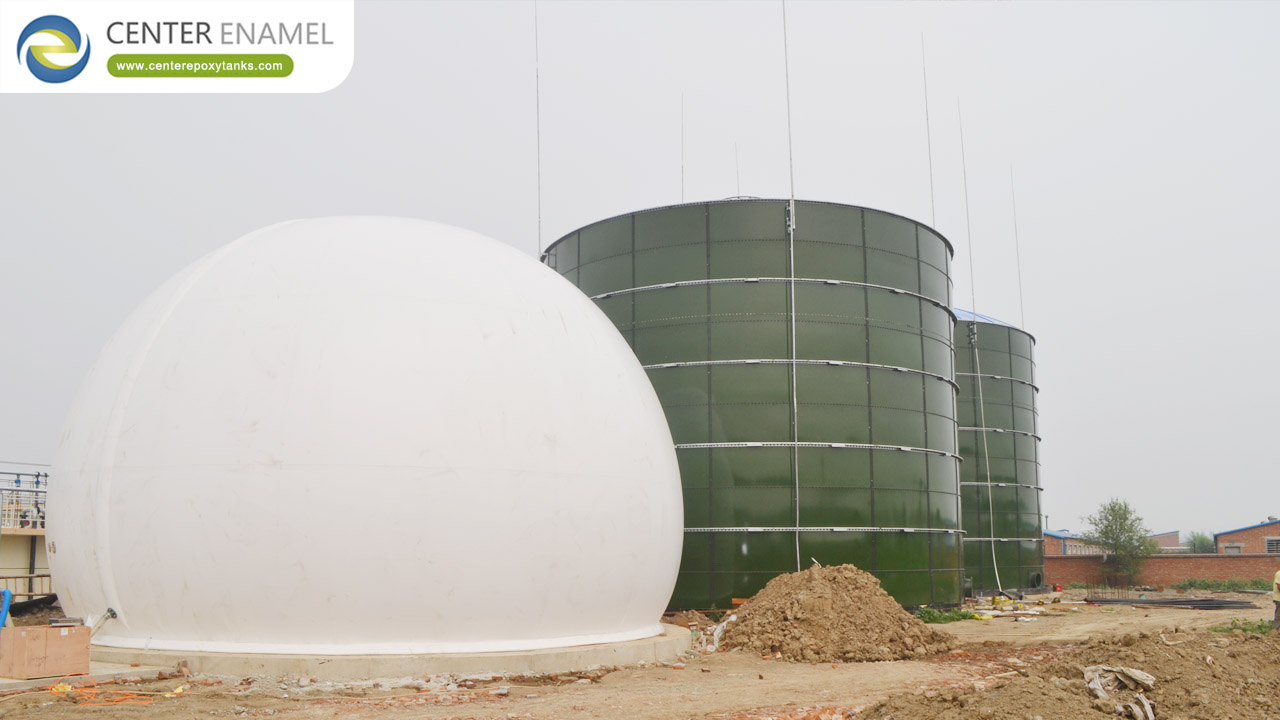
Flexible Balloon Biogas: Optimizing Anaerobic Digester Tanks
Optimizing anaerobic digesters requires a decoupling of the biological gas-production phase from the gas-utilization phase. The integration of Flexible Balloon Biogas systems—commonly implemented as double-membrane gasholders—has become the industry standard for stabilizing gas pressure and maximizing energy yield. Unlike rigid steel storage, these flexible systems act as a "buffer" for biological fluctuations, allowing for consistent fuel delivery to CHPs (Combined Heat and Power units) and preventing system overpressure.
1. The Engineering Logic of Flexible Buffering
Biogas production in an anaerobic digester is a biological process that rarely maintains a constant rate; it fluctuates based on feedstocks, temperature, and microbial health.
The Primary Functions:
● Pressure Stabilization: By providing a variable storage volume, flexible balloons maintain a constant operating pressure for the downstream CHP or boiler, eliminating the risk of pressure surges that can damage gas-handling equipment.
● Volumetric Buffering: Flexible systems allow operators to store excess gas produced during peak biological activity, ensuring a steady supply during periods of lower production.
● Emergency Containment: They provide an immediate visual and functional relief mechanism, preventing the need for uncontrolled flaring during temporary downstream equipment outages.
2. Membrane Material Technology
The efficiency of a flexible balloon system is entirely dependent on the material science of the membranes. Top-tier systems utilize high-tenacity, PVC-coated polyester fabrics.
Feature | Technical Requirement | Engineering Benefit |
Permeability | Low methane/H₂S permeability | Minimizes environmental loss and material degradation. |
UV Resistance | High-grade PVDF surface lacquer | Prevents polymer aging and surface cracking under solar load. |
Fire Resistance | Self-extinguishing/Flame retardant | Meets critical safety standards for explosive atmospheres (ATEX). |
Flexibility | High-modulus elasticity | Allows for thousands of full-volume inflation/deflation cycles. |
3. System Integration & Optimization
To achieve peak performance, the flexible storage must be perfectly synchronized with the digester's internal pressure.
Dual-Membrane Configuration
Most optimized systems utilize a Dual-Membrane (Gasholder) design:
1. Inner Membrane: Contacts the biogas directly, expanding and contracting to accommodate changes in volume.
2. Outer Membrane: Forms a protective air-filled shell. A controlled air-blower maintains a constant positive pressure in the outer space, ensuring that the inner membrane remains under tension even when the gas volume is low.
Optimization Strategies:
● Automated Level Control: Integration of ultrasonic level sensors within the flexible balloon to trigger CHP modulation or gas flaring.
● Desulfurization Coupling: Placing the flexible storage downstream of biological or chemical desulfurization units ensures the membranes are not exposed to high concentrations of corrosive H2S, extending their operational life significantly.
● Thermal Management: In cold climates, insulating the foundation beneath the gasholder prevents the condensation of moisture, which can otherwise freeze and compromise the membrane's structural integrity.
4. Operational Best Practices
Maximizing the life and efficiency of flexible balloon biogas systems requires proactive maintenance routines:
1. Pressure Calibration: The air-inflation blowers must be calibrated to maintain a pressure higher than the gas production pressure but lower than the tank's maximum structural threshold.
2. Moisture Trapping: Condensation is the enemy of membrane systems. Every low point in the gas-handling line must be fitted with an automatic condensate drain to ensure moisture does not pool in the folds of the membrane.
3. Weld Inspection: Yearly inspection of the membrane heat-welded seams is critical. Any sign of delamination must be repaired immediately with manufacturer-approved patch kits to prevent localized tears under wind load.
Frequently Asked Questions (FAQ)
Q: Are flexible biogas membranes compatible with highly acidic biogas?
A: Standard PVC membranes can degrade if H2S levels are extreme. For high-sulfur applications, specify membranes with specialized chemical-resistant liners (such as fluoropolymer layers) that are specifically designed for harsh biogas compositions.
Q: Can I retrofit a flexible balloon onto an existing rigid steel tank?
A: Yes. Many operators install a "roof-mounted" flexible gasholder directly on top of the existing digester, effectively converting the head space of the digester into a gas storage volume without increasing the physical footprint.
Q: How do these systems handle heavy snow or wind loads?
A: The outer membrane of a dual-layer gasholder is kept inflated by an air-pressure blower. This internal pressure provides the structural rigidity required to shed snow and resist wind shear, provided the blower system is sized correctly for your region's environmental loads.
Would you like an analysis of how membrane material properties affect the overall ROI of a digester, or are you looking for technical specifications for integrating a gasholder with a specific biogas scrubber system?


