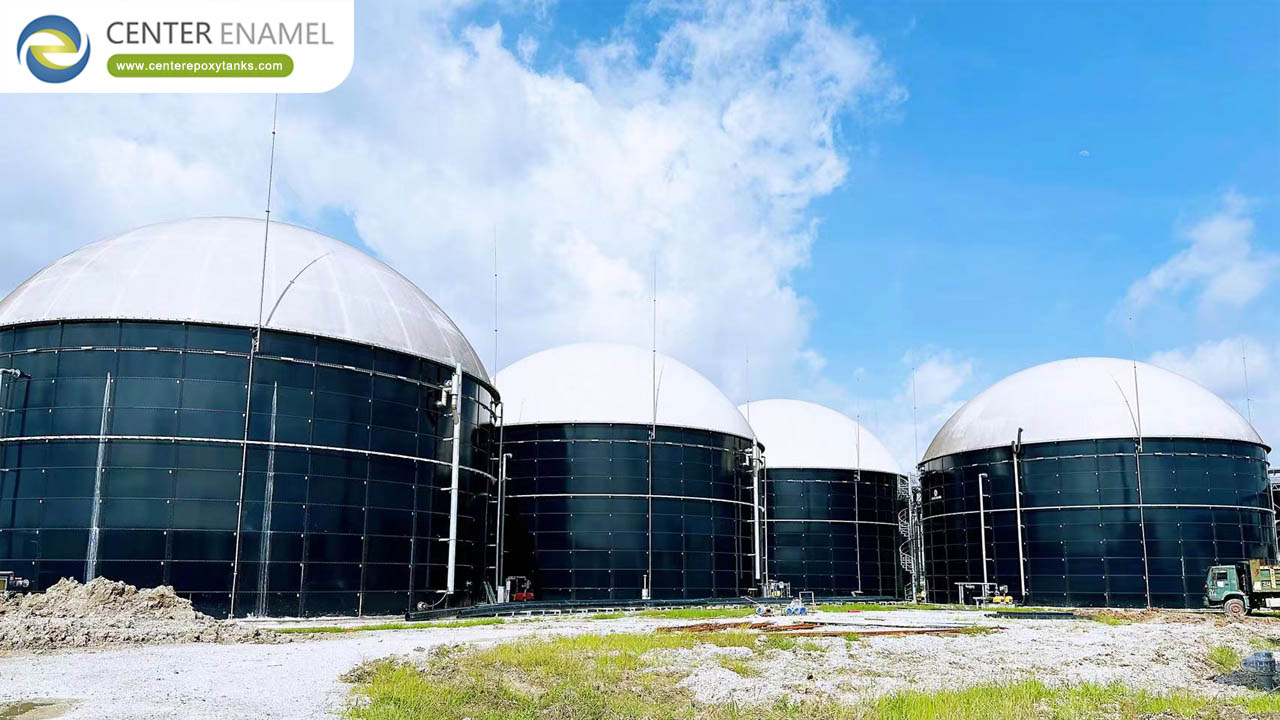
Double Membrane Roofs for Chicken Litter Anaerobic Digestion Tanks
In the pursuit of sustainable energy, the anaerobic digestion (AD) of chicken litter presents a unique set of challenges and opportunities. Poultry manure is a nitrogen-rich feedstock capable of producing high methane yields, yet it is notoriously aggressive due to high levels of ammonia (NH₃) and hydrogen sulfide (H₂S).
For facilities processing poultry litter, the Double Membrane Roof (or Gas Holder) is not merely a cover—it is a critical piece of infrastructure designed to maximize gas capture, ensure structural longevity, and manage the harsh corrosive environment inherent in poultry waste digestion.
Why Double Membrane Technology is Essential for Poultry AD
Traditional rigid covers often struggle with the corrosive chemical profile of chicken litter. Double membrane systems offer a high-performance alternative that optimizes the digestion environment.
1. Superior Corrosion Resistance
Chicken litter digestion produces high concentrations of corrosive gases. Center Enamel’s double membrane systems utilize specialized, biogas-resistant polyester fabrics coated with high-grade PVDF or PVC. Unlike concrete or standard steel roofs, these membranes are chemically inert, preventing the rapid degradation caused by ammonia and sulfide exposure.
2. Optimized Biogas Capture and Storage
The system consists of two layers:
Inner Membrane: Acts as the primary gas storage vessel, adjusting its volume in real-time based on biogas production. This creates a balanced, low-pressure environment conducive to stable anaerobic microbial activity.
Outer Membrane: Maintains a constant positive air pressure, shielding the inner membrane from external factors like wind, snow, and UV radiation, while providing a structural dome that eliminates rain pooling.
3. Integrated Odor Control
Poultry facilities are under increasing pressure to manage odor. The double membrane roof provides a fully sealed, airtight barrier that prevents methane and odorous gases from escaping, ensuring compliance with local environmental regulations and improving community relations.
Comparative Analysis: Membrane vs. Traditional Rigid Roofs
Feature | Double Membrane Roof | Rigid/Fixed Roofs (Concrete/Steel) |
Chemical Resistance | High (PVDF/PVC specialized coatings) | Low (Prone to spalling/corrosion) |
Gas Storage | Integrated (Dynamic/Flexible) | None (Requires external holder) |
Maintenance | Low (Minimal mechanical parts) | High (Structural repair/re-coating) |
Installation | Rapid (Modular/Lightweight) | Slow (Heavy construction/Curing) |
Pressure Control | Dynamic (Pressure regulation) | Fixed (Requires independent relief) |
Engineering for Success with Nitrogen-Rich Feedstocks
Poultry manure digestion often leads to "ammonia inhibition" if not managed correctly. Our double membrane roofs support the operational stability of these digesters by:
Maintaining Thermal Integrity: The air gap between membranes provides an effective thermal insulation layer, keeping the digester at the optimal temperature (35–55°C) required for efficient methane production, regardless of outside ambient temperatures.
Simplifying Maintenance: All components in contact with the aggressive biogas environment—such as the center ring and discharge piping—are engineered using 316-grade stainless steel to ensure a service life that matches the operational goals of the facility.
Frequently Asked Questions (FAQ)
1. How does a double membrane roof handle the high H₂S levels found in chicken litter?
Our biogas-specific membranes are engineered with high-resistance coatings (such as PVDF) that are chemically stable in the presence of hydrogen sulfide. Additionally, we ensure that all structural steel components (mounting rings, tensioning systems) are constructed from high-grade stainless steel to prevent corrosion from residual H₂S.
2. Can the membrane roof store gas for peak energy demand?
Yes. The inner membrane acts as a variable-volume storage vessel. By utilizing the flexible space within the double-layer system, the digester can buffer biogas during periods of low usage, allowing the operator to release the stored gas for energy generation during peak price periods.
3. Does the system require a constant power source?
The system requires a low-pressure air blower to maintain the outer membrane’s shape. These blowers are energy-efficient and typically integrated into the facility's power supply. In the event of a power loss, the roof is designed with safety relief valves to prevent structural damage from over-pressurization.
4. How often does the membrane require inspection?
Due to the durable, high-tensile nature of the fabric, maintenance is minimal. We recommend semi-annual visual inspections for debris or obstruction of the pressure relief vents and periodic checks of the blower system. The materials themselves are designed for a long service life (typically 10+ years) in harsh environments.
5. Can this be retrofitted onto existing digester tanks?
Yes. Our membrane solutions are highly adaptable. We can engineer custom mounting systems to secure the double membrane roof to existing concrete, glass-fused-to-steel, or bolted steel digester tanks, making it an excellent solution for upgrading older, leaking, or inefficient poultry waste systems.


