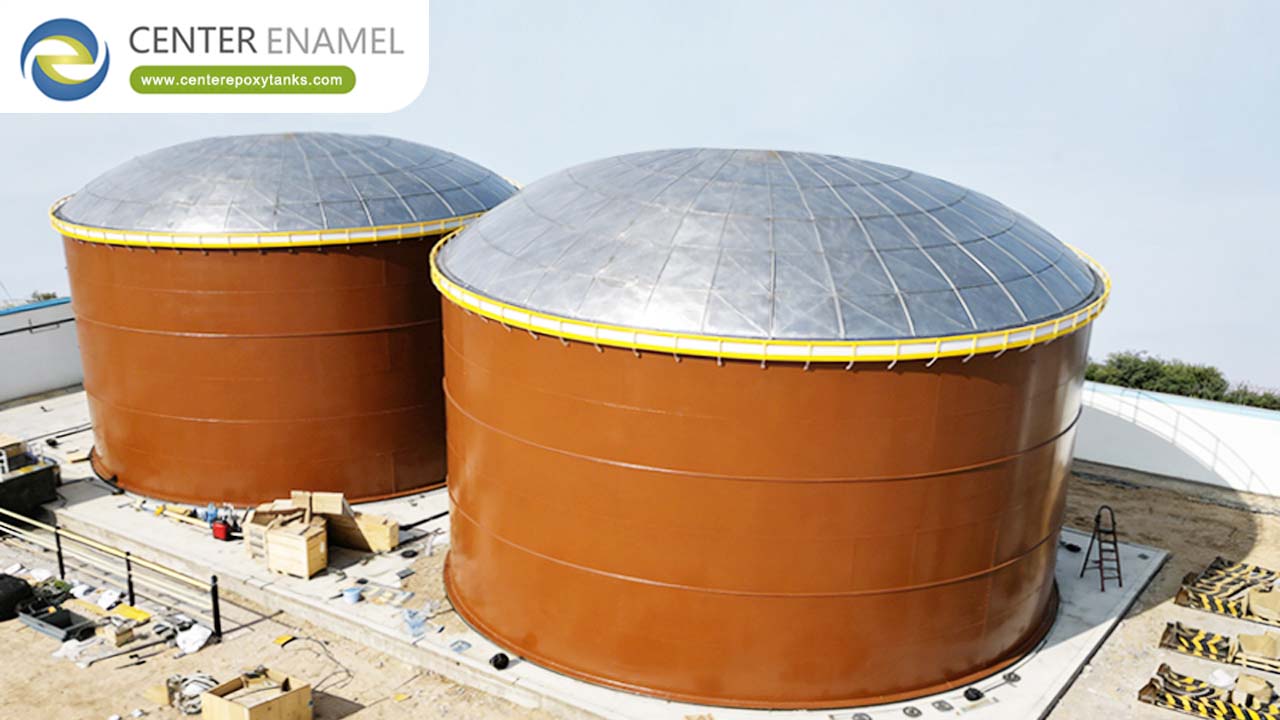
Custom Welded Steel Tanks for Battery Manufacturing Electrolyte Containment: Engineering Safety, Purity, and Precision
The global transition toward electric vehicles (EVs) and grid-scale energy storage systems has driven an unprecedented expansion in lithium-ion battery manufacturing. Within these advanced gigafactories, the production and handling of battery electrolytes—complex formulations typically consisting of lithium salts (such as LiPF6) dissolved in volatile organic carbonate solvents—represent some of the most rigorous containment challenges in modern industry. Electrolytes are highly reactive, moisture-sensitive, and corrosive, demanding flawless containment infrastructure.
To safeguard chemical purity, prevent environmental contamination, and ensure strict operational safety, plant engineers rely on custom welded steel tanks for battery manufacturing electrolyte containment. Unlike standardized water or fuel vessels, these specialized containment systems require bespoke metallurgical engineering, zero-defect welding, and hermetic sealing to withstand aggressive chemical environments.
Critical Engineering Requirements for Electrolyte Containment
Designing storage and processing vessels for battery-grade chemicals requires strict adherence to advanced industrial manufacturing protocols:
High-Grade Alloy Selection: Electrolyte containment vessels are typically fabricated from premium corrosion-resistant alloys, such as 316L stainless steel or advanced duplex stainless steel. These materials prevent pitting, intergranular corrosion, and metallic ion leaching that could otherwise contaminate the high-purity electrolyte solution.
Monolithic Welded Integrity: Because electrolytes can exploit the smallest structural vulnerabilities, containment tanks utilize continuous, full-penetration butt welds executed via automated TIG (Tungsten Inert Gas) or MIG welding processes. Every weld seam undergoes rigorous Non-Destructive Testing (NDT)—including dye penetrant inspection, radiographic testing (RT), and ultrasonic testing (UT)—to guarantee zero micro-defects or porosity.
Absolute Moisture and Vapor Sealing: Battery electrolytes react violently when exposed to ambient moisture, forming hazardous hydrogen fluoride (HF) gas. Custom welded tanks feature hermetically sealed headspaces, inert gas padding (such as dry nitrogen blanketing systems), and specialized mechanical seals to maintain a moisture-free internal atmosphere.
Strict Compliance with Safety Codes: Manufacturing facilities must comply with rigorous international standards, including ASME Section VIII for pressure vessels, API 650 for welded tanks, and NFPA fire protection codes governing flammable and reactive chemical storage.
Data Table: Comprehensive Comparison of Electrolyte Containment Options
Technical Parameter | Custom Welded Stainless Steel Tanks | High-Density Polyethylene (HDPE) Tanks | Lined Carbon Steel Tanks |
Chemical Resistance | Exceptional; premium stainless steel or duplex alloys resist organic solvents and salts | Good resistance to specific acids, but vulnerable to stress cracking from certain organic solvents | Highly dependent on internal coating integrity; prone to failure if linings develop pinholes |
Structural & Pressure Tolerance | High; monolithic welded steel handles internal pressure spikes and vacuum conditions | Moderate to low; prone to softening or structural deformation at elevated temperatures | High structural strength of steel, but vulnerable if the protective lining degrades |
Fire Safety & Thermal Stability | Superior; non-combustible metallic structure maintains integrity during thermal events | Combustible polymer material; can melt or burn during severe plant fires | Non-combustible steel shell, though internal linings may degrade under extreme heat |
Purity & Contamination Control | Superior; smooth, non-porous electropolished interior surfaces prevent chemical buildup | Moderate; porous polymers can absorb trace solvents and leach additives over time | Moderate; risk of rust flaking if the internal lining experiences blistering or blistering |
Frequently Asked Questions (FAQ)
Q: Why are custom welded steel tanks required for battery electrolyte containment?
A: Battery electrolytes are highly reactive, moisture-sensitive, and corrosive organic solutions. Custom welded steel tanks provide the monolithic structural strength, high-grade alloy purity, and hermetic sealing required to prevent chemical degradation and environmental leaks.
Q: What materials are best suited for fabricating electrolyte storage vessels?
A: Premium austenitic stainless steels (such as Grade 316L) and advanced duplex stainless steels are standard because they offer exceptional resistance to chemical corrosion and prevent metallic ion contamination.
Q: How do custom welded tanks prevent moisture from contaminating the electrolyte?
A: They are equipped with hermetically sealed fittings, precision gaskets, and continuous nitrogen-blanketing systems that maintain a dry, inert gas barrier over the liquid surface, preventing ambient humidity ingress.
Q: What international engineering codes govern these specialized industrial tanks?
A: They are typically designed, fabricated, and tested in strict accordance with ASME Section VIII (for pressure vessels), API 650, and stringent NFPA fire safety guidelines for chemical processing plants.


