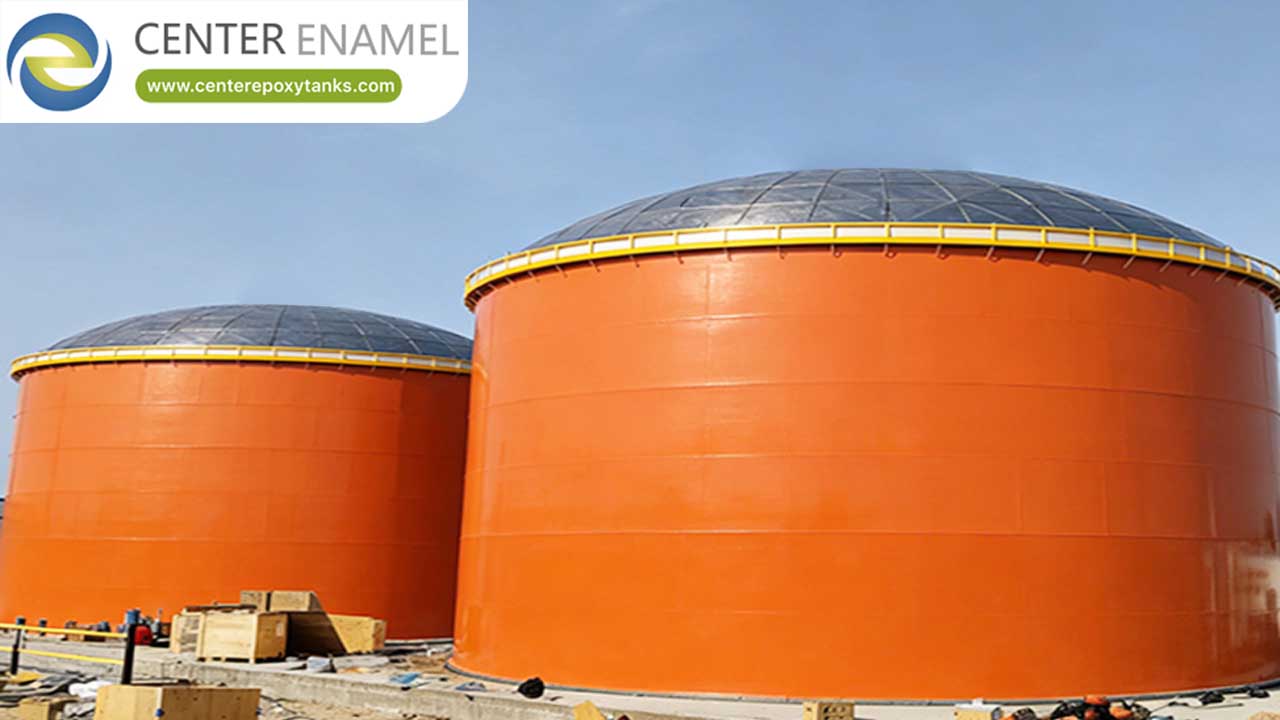
Carbon Steel Recycle Oil Fluid Storage Tank Manufacturer: Engineering Sustainable Containment and Industrial Reliability
As global industries accelerate toward sustainable resource management and circular economy practices, the safe collection, temporary holding, and bulk recycling of used lubricating oils, hydraulic fluids, and industrial waste oils have become critical operational priorities. Improper storage of used oil poses severe environmental risks, regulatory liabilities, and fire hazards. Consequently, industrial facilities, fleet maintenance depots, and commercial recycling centers require robust, fail-safe containment infrastructure.
As a leading carbon steel recycle oil fluid storage tank manufacturer, precision engineering and stringent compliance with global safety standards are paramount. By combining high-tensile structural carbon steel with advanced interior coatings, secondary containment designs, and rigorous manufacturing protocols, modern carbon steel storage tanks deliver unmatched durability, structural integrity, and long-term environmental protection.
Engineering and Design Standards for Waste Oil Containment
Recycled oil fluids often contain a complex blend of water, particulate sludge, heavy metals, and residual chemical additives from industrial use. Storing these aggressive fluids safely requires adherence to rigorous engineering codes:
API 650 and ASME Compliance: Tanks are engineered in strict compliance with API 650 for atmospheric storage or ASME Section VIII for pressurized vessels, ensuring that shell thicknesses, roof structures, and weld seams are calculated to safely handle heavy hydrostatic loads and dynamic fluid filling cycles.
High-Tensile Carbon Steel Construction: Fabricated from premium-grade carbon steel plates (such as ASTM A36 or A516 Gr. 70), these tanks provide exceptional structural toughness, impact resistance, and mechanical resilience compared to fragile plastic alternatives.
Specialized Internal and External Corrosion Defenses: While carbon steel provides the structural backbone, used oil fluids can be acidic or moisture-laden. Tanks are outfitted with specialized high-solids epoxy interior linings to prevent wall thinning, alongside weather-resistant exterior coatings to combat outdoor UV exposure and atmospheric oxidation.
Integrated Sludge Clean-Out and Access Ports: To simplify routine maintenance and prevent the buildup of heavy bottom sediment, recycle oil tanks feature engineered manways, sloped bottoms, and dedicated drainage sumps.
Technical Performance Matrix: Recycle Oil Storage Options
Technical Parameter | Heavy-Duty Carbon Steel Recycle Oil Tanks | Polyethylene (Poly) Storage Tanks | Cast-in-Place Concrete Basins |
Mechanical Impact & Fire Resistance | Superior; high-tensile steel withstands physical impact and maintains structural integrity during high-heat fire exposure | Vulnerable; plastic softens and melts under high-heat or fire conditions, risking catastrophic spill release | High physical strength, but prone to cracking under extreme thermal shock or shifting soil loads |
Volumetric Scalability | High; available in custom vertical or horizontal configurations ranging from compact skid units to massive bulk terminals | Restricted; size is limited by factory rotational molding capabilities (typically smaller capacities) | Permanent monolithic structure; impossible to relocate or expand without major civil demolition |
Sludge & Maintenance Management | Equipped with heavy-duty manways, internal coating smoothing, and bottom sumps for easy cleaning | Moderate; internal inspection ports are often limited, making thorough sludge removal challenging | Difficult; porous concrete surfaces can absorb oily residues, complicating cleaning and decontamination |
Frequently Asked Questions (FAQ)
Q: Why choose carbon steel over plastic for recycling and storing used oil fluids?
A: Carbon steel offers superior structural strength, high impact resistance, and vital fire safety compliance. Unlike plastic tanks that can warp or degrade under high temperatures or UV exposure, steel tanks provide a heavy-duty, long-lasting containment envelope rated for rigorous industrial environments.
Q: What design standards govern industrial carbon steel recycle oil tanks?
A: Quality recycle oil tanks are designed and manufactured in compliance with international industrial benchmarks, including API 650 for welded steel storage tanks, UL standards where applicable for shop-fabricated tanks, and NFPA 30 guidelines for flammable and combustible liquid storage.
Q: How do manufacturers prevent internal corrosion from water and contaminants in used oil?
A: Manufacturers apply high-performance, chemical-resistant internal epoxy linings that isolate the carbon steel substrate from moisture, acids, and contaminants present in used oil, preventing internal pitting and wall thinning.
Q: Are double-wall options available for carbon steel recycle oil fluid tanks?
A: Yes. For enhanced environmental protection and regulatory compliance, many recycle oil tanks are engineered with a double-wall (tank-in-tank) design or paired with integrated secondary containment dikes to eliminate the risk of accidental ground spills.


