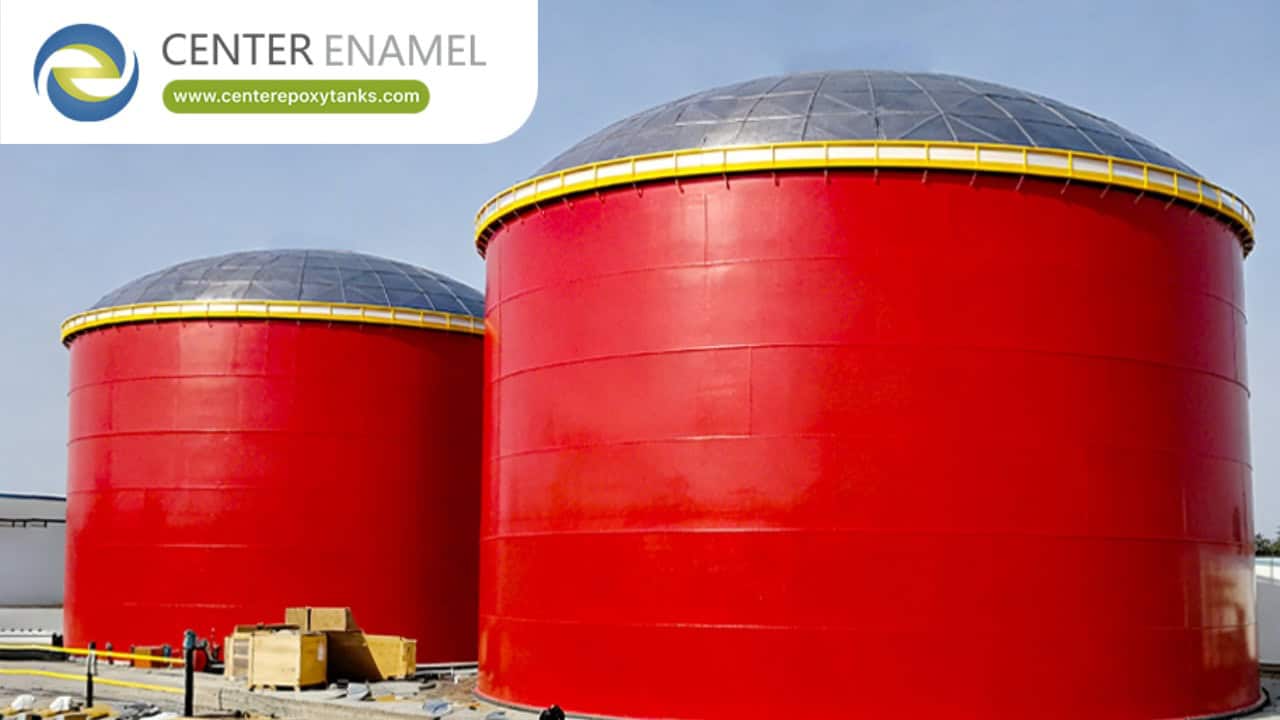
Carbon Steel Light Fuel Oil Storage Tanks: Procurement & Engineering Guide
Light fuel oils—such as diesel, kerosene, and heating oil—are essential for industrial operations, power generation, and emergency backup systems. Storing these distillates requires carbon steel tanks engineered for longevity, leak prevention, and regulatory compliance. Whether sourcing shop-fabricated units for on-site distribution or large-scale field-erected tanks for bulk storage, selecting the right manufacturer requires verifying their adherence to international pressure and safety codes.
1. Engineering Standards: Defining Compliance
When vetting a manufacturer, the primary differentiator is their design-standard adherence. Ensure your partner operates strictly under these global benchmarks:
● API 650 (Large-Scale Tanks): The gold standard for atmospheric, welded, carbon steel vertical tanks. This code ensures structural integrity for tanks holding large volumes of petroleum products at low pressure.
● UL 142 (Shop-Fabricated Tanks): The essential standard for smaller, horizontal, or vertical aboveground tanks. If a manufacturer is supplying shop-fabricated units, they must hold a valid UL certificate.
● ASME IX (Welding Qualification): Any reputable manufacturer must provide documentation for their Welding Procedure Specifications (WPS) and Welder Performance Qualification Records (WPQR).
2. Technical Requirements for Light Fuel Oil
Light fuel oils are prone to degradation if the tank environment is not properly managed. A reliable manufacturer will integrate the following technical features:
A. Internal Corrosion Mitigation
Carbon steel is susceptible to internal "micro-rusting" from moisture condensation.
● Internal Lining: Specify high-build epoxy or solvent-free phenolic linings for the tank interior. This prevents rust flakes from contaminating fuel lines and clogging sensitive engine filters.
● Sloped Bottom Design: Ensure the floor is designed with a slight slope ($1:50$ minimum) toward a sump, allowing for the periodic drainage of accumulated water and sediment.
B. Structural Integrity
● Material Certification: Demand Mill Test Reports (MTRs) for all plate stock to verify that the carbon steel meets ASTM A36 or Q345R standards.
● Non-Destructive Testing (NDT): A professional manufacturer will provide a documented NDT log, including:
○ Radiographic Testing (RT): X-ray verification of critical vertical shell seams.
○ Vacuum Box Testing: To ensure floor-lap weld integrity.
○ Hydrostatic Testing: Full-capacity water fill test to verify structural stability before shipping.
3. Procurement Vetting Matrix
Use this checklist to audit potential manufacturing partners during the Request for Proposal (RFP) stage.
Audit Parameter | Reliable Manufacturer | High-Risk Shop |
Welding Certification | ISO 3834 / ASME Section IX | Uncertified / Self-declared |
NDT Methodology | 100% logs (RT, UT, Vacuum) | Verbal assurance only |
Third-Party Access | Welcomes independent inspectors | Restricts/Blocks site visits |
Design Software | Licensed API/ASME calculation suites | Generic/Hand-drawn CAD |
Coating Environment | Climate-controlled spray booth | Outdoor/Dusty yard |
4. Best Practices for Fuel Storage Safety
Operational longevity depends on correct installation and site management:
1. Secondary Containment: Always specify a "bund" (impermeable wall and base) to catch potential spills.
2. Breather Filters: Install air dryers/breathers on tank vents to prevent humid air from entering and condensing inside the tank.
3. Regular Inspection: Implement a schedule for checking sludge levels and water accumulation at the tank bottom, especially in colder climates where condensation rates are higher.
Frequently Asked Questions (FAQ)
Q: Why choose carbon steel over plastic or stainless steel?
A: Carbon steel offers the best balance of structural strength, fire safety (as required by most municipal fire codes), and cost-effectiveness for bulk fuel storage. Stainless steel is often unnecessary for light fuel oils and adds significant cost; plastic is frequently prohibited for bulk flammable liquid storage due to fire safety regulations.
Q: Can a manufacturer provide "turnkey" fuel systems?
A: Leading manufacturers often provide integrated systems, including the tank, the internal pump manifold, level gauges, leak detection sensors, and the overfill protection valve. Specifying a "turnkey" system from one source significantly reduces field integration errors.
Q: How do we manage international shipping for large tanks?
A: If you are sourcing from a major global manufacturer, look for partners experienced in "break-bulk" shipping for large-diameter vertical tanks or containerized shipping for shop-fabricated horizontal tanks. A reliable partner will handle the export crating and provide a certified packing list for customs clearance.


