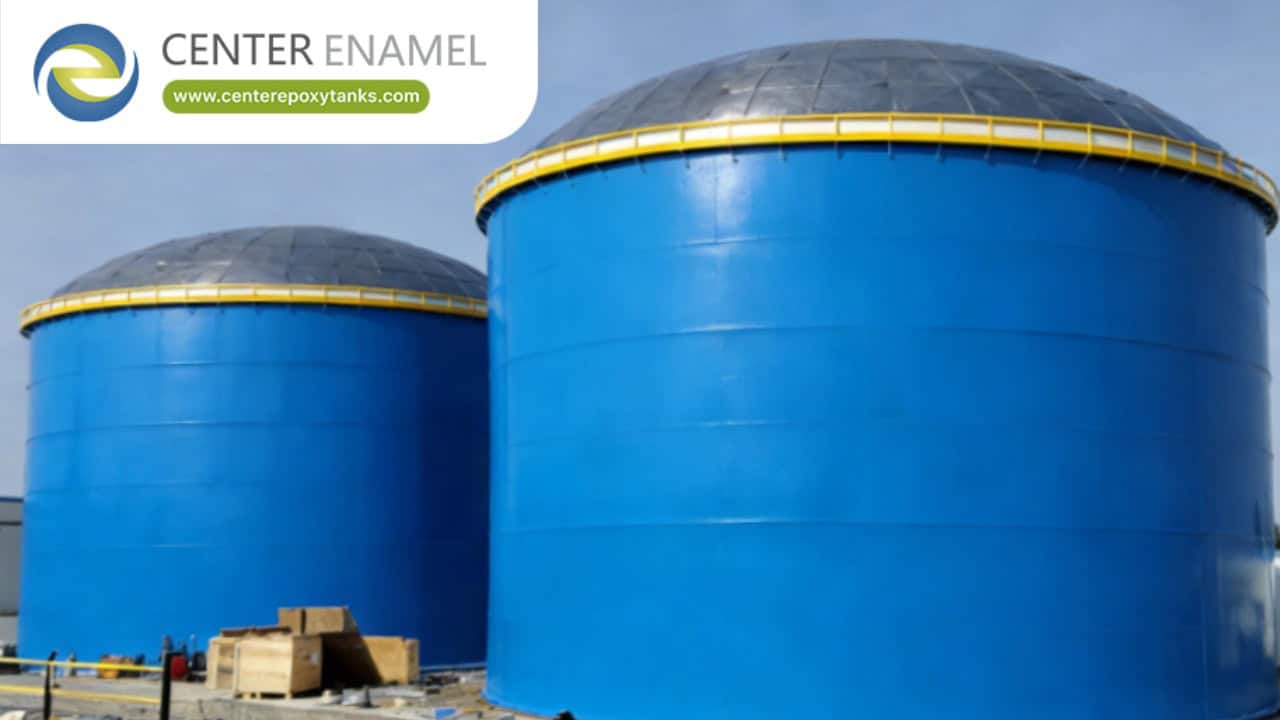
API 620 Welded Steel Tanks for Oil Storage
API 620 is the industry-standard code for the "Design and Construction of Large, Welded, Low-Pressure Storage Tanks." Unlike API 650 (which governs atmospheric tanks), API 620 applies to vessels designed to operate at pressures up to and temperatures ranging from -270F to 250F. These tanks are essential for the storage of volatile petroleum products and liquefied gases that require slightly elevated internal pressures to prevent vapor loss and maintain product stability. API 620 tanks feature more stringent inspection, weld quality, and material thickness requirements than atmospheric tanks, ensuring maximum structural integrity for high-value energy assets.
The Engineering Distinction: Why API 620?
When designing an oil storage facility, the distinction between API 650 (atmospheric) and API 620 (low-pressure) is a critical decision point. Choosing the wrong standard can lead to regulatory non-compliance, safety risks, or unnecessary capital expenditure.
API 620 tanks are specified when the product's vapor pressure exceeds the capability of an atmospheric tank, or when specific process conditions require a vapor-tight, pressurized environment. Key engineering advantages include:
Elevated Pressure Management: API 620 allows for internal pressures up to $15text{ psig}$. This is vital for storing volatile hydrocarbons where "flashing" or excessive vapor recovery costs would occur in an atmospheric tank.
Superior Joint Efficiency: Because these tanks are subject to pressure, the design requirements for weld penetration, testing, and material properties are significantly more rigorous than atmospheric tanks. This translates into a higher safety factor for the entire structure.
Material Versatility: API 620 provides specific rules for materials operating at cryogenic temperatures, making it the preferred standard for refrigerated storage of liquefied gases and light-end hydrocarbons.
Comparative Overview: API 620 vs. API 650
For engineering procurement teams, understanding the operational boundaries is key to project feasibility.
Feature | API 620 (Low-Pressure) | API 650 (Atmospheric) |
Pressure Limit | Up to 15psig (103.4 kPa) | Atmospheric (small pressures permitted) |
Primary Usage | Volatile products/refrigerated gas | Stable crudes/process water |
Weld Requirements | Highly Rigorous (100% RT) | Standardized (Sampling) |
Structural Design | Detailed FEA/Calculations | Simplified Design Tables |
Material Specs | Strict low-temp/high-stress focus | Standard structural grades |
Quality Assurance in Fabrication
Fabricating an API 620 tank is an exercise in precision. Because these tanks are engineered to contain pressure, the quality assurance (QA) protocols are non-negotiable:
100% Radiographic Testing (RT): Unlike API 650, which may rely on spot-radiography for some welds, API 620 mandates extensive non-destructive testing (NDT) to ensure that every weld seam is free of subsurface defects.
Strict Material Traceability: Every steel plate used in an API 620 tank must be fully traceable back to the mill, with documented chemical and mechanical properties that match the specific pressure/temperature rating of the design.
Pressure Testing: Post-fabrication, the tank undergoes rigorous pneumatic or hydrostatic pressure testing (often at $1.25$ times the design pressure) to verify the integrity of the shell, roof, and floor seams before commissioning.
Frequently Asked Questions (FAQ)
Q: Can I use an API 650 tank for low-pressure service if I add a pressure relief valve?
A: No. An API 650 tank is not structurally designed for internal pressure. Attempting to force an atmospheric tank to operate under pressure is a catastrophic safety risk. API 620 is the mandatory standard for any vessel intended to hold internal pressure > 2.5psig (in certain geometries).
Q: What is the most common use case for API 620 tanks in oil terminals?
A: They are most commonly used for storing volatile light-end products (like NGLs), refrigerated storage, or crude oil with high gas content where vapor loss control is a primary environmental and economic concern.
Q: Are API 620 tanks more expensive to fabricate?
A: Yes, typically. Due to the stricter material thickness requirements, higher grade steel, and 100% weld inspection mandates, the initial capital expenditure (CAPEX) is higher than an API 650 tank of equivalent volume. However, the operational savings from reduced vapor loss often justify the investment.
Partnering for Structural Compliance
Designing to API 620 is a commitment to safety, environmental responsibility, and long-term asset reliability. By partnering with engineering firms that prioritize precise material selection, certified NDT procedures, and code-compliant design, you ensure your oil storage infrastructure meets the highest global benchmarks.
Are you evaluating storage options for a project involving volatile or pressurized petroleum products?
[Contact our engineering team] today to discuss your pressure requirements, request a structural feasibility analysis, or receive a project proposal tailored to your specific product specifications.


