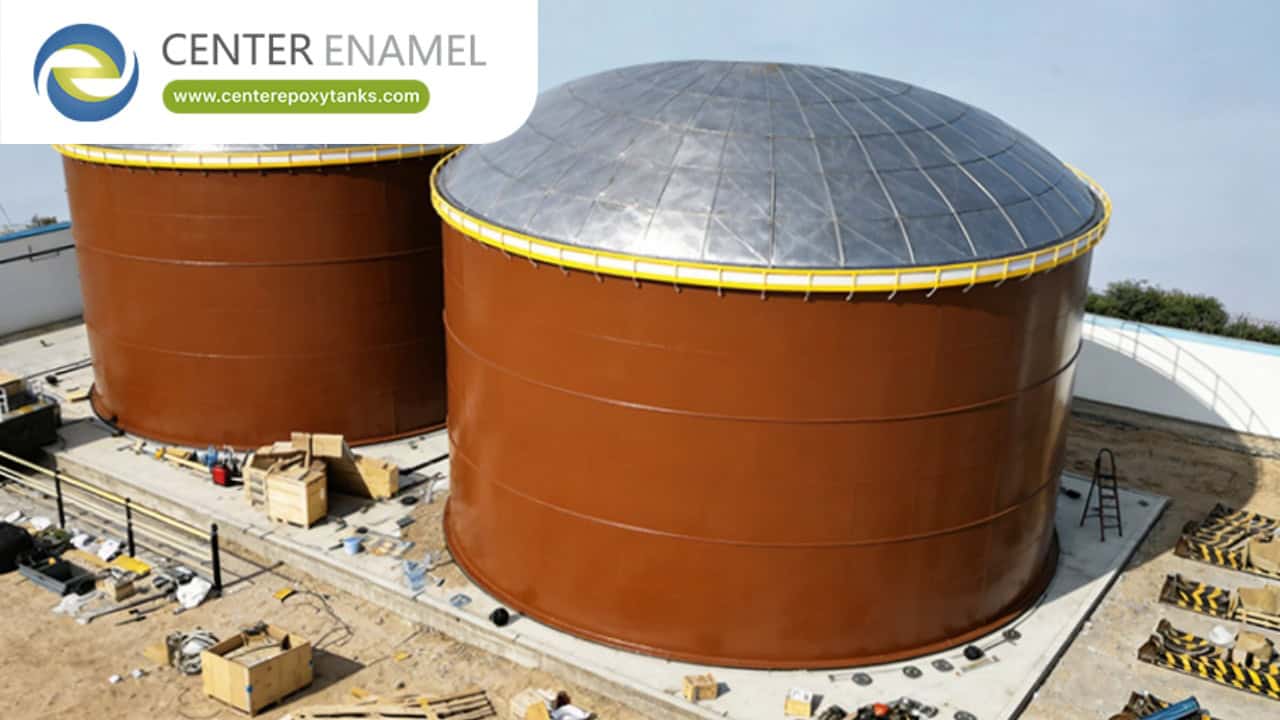
Pig Farm Wastewater & Manure Storage: Engineering & Procurement Guide
Managing swine manure is one of the most significant engineering challenges in modern intensive farming. Pig wastewater is highly corrosive, rich in nitrogen and sulfur, and creates substantial odor profiles. Selecting the right containment system is not just about capacity; it is about chemical compatibility, structural longevity, and environmental regulatory compliance. This guide outlines the engineering specifications required to choose the optimal tank system for long-term farm viability.
1. Material Engineering: The Corrosion Battle
Pig manure contains hydrogen sulfide (H2S) and ammonia (NH3), which act as powerful chemical catalysts for degradation. Standard carbon steel or untreated concrete will fail rapidly under these conditions.
Recommended Material Matrix
Tank Type | Corrosion Resistance | Lifespan | Capital Cost | Suitability |
Glass-Fused-to-Steel (GFS) | Excellent | 25+ Years | Moderate-High | Best for high-H2S manure |
Reinforced Concrete | Low (Needs coating) | 10–20 Years | High | Good for underground/large pits |
Epoxy-Coated Steel | Moderate | 10–15 Years | Moderate | Good for smaller setups |
HDPE/Geo-membrane | High | 5–10 Years | Low | Best for temporary lagoons |
Why GFS is the Industry Standard: Glass-Fused-to-Steel tanks offer an inert, non-porous finish. Unlike paint or epoxy, the glass coating is chemically bonded to the steel, preventing the sulfur in pig manure from creating sulfuric acid that eats away at the substrate.
2. Engineering Calculations: Sizing the System
To design a storage tank that prevents overflow and minimizes risk, you must calculate the total hydraulic retention time (HRT) required based on herd size and daily output.
Engineering Tip: Always factor in a 20% "safety buffer" for rainfall runoff if the tank is not roofed, as rainwater dilution can rapidly increase your required storage volume.
3. Operational Requirements: Mixing & Odor Control
Modern pig farming requires active management of the wastewater. Static storage leads to two major issues: sludge settling and uncontrolled methane release.
● Agitation Systems: If solids settle to the bottom, the effective volume of your tank decreases, and cleaning becomes a dangerous, expensive task. Ensure your tank design includes mounting points for wall-mounted or floating agitators.
● Covering Systems: For environmental compliance and odor control, utilize a floating cover or a geodesic roof. These prevent rainwater from entering the tank and help capture gases if you are planning to transition to anaerobic digestion.
● Anaerobic Digestion (AD): If the farm size exceeds 2,000 head, consider a gas-tight, sealed digester tank. Converting manure to biogas not only manages odor but provides a secondary energy revenue stream (CHP - Combined Heat and Power).
4. Procurement Vetting Matrix
When sourcing tanks from manufacturers, use this checklist to ensure the product meets agricultural-grade standards:
1. Chemical Resistance: Ask the manufacturer for a test report verifying the coating’s resistance to H2S and low pH (acidic) environments.
2. Sealing Integrity: Manure leaks are catastrophic for local water tables. Ensure the gasket material is chemical-resistant (EPDM or Butyl) and not prone to hardening in cold weather.
3. Foundation Design: Manure is heavy (approx 1,000--1,100kg/m3). Insist that the manufacturer provides a stamped engineering drawing for the foundation slab specifically matched to your site’s soil bearing capacity.
4. Cleaning Access: Specify extra manways at the base of the tank. You will need to enter the tank for deep cleaning at some point; ensure the design accounts for this.
Frequently Asked Questions (FAQ)
Q: Can I use a standard steel tank and paint it?
A: Strongly discouraged. Standard paint is porous; it will blister and peel under the chemical onslaught of swine manure within 24 months, leading to hidden corrosion of the steel tank walls. Use GFS or factory-applied specialized powder coatings only.
Q: How often does the tank need to be deslugged?
A: With proper agitation, you should only need to empty and deep-clean the tank once every 3–5 years. Without proper mixing, sludge build-up can reduce your capacity by 30% within the first year.
Q: Is a roof necessary?
A: A roof or cover is highly recommended. It prevents rainwater from filling your tank (saving you from transporting useless water to fields), controls odor, and prevents the "crusting" of manure on the surface, which interferes with pumps and sensors.


