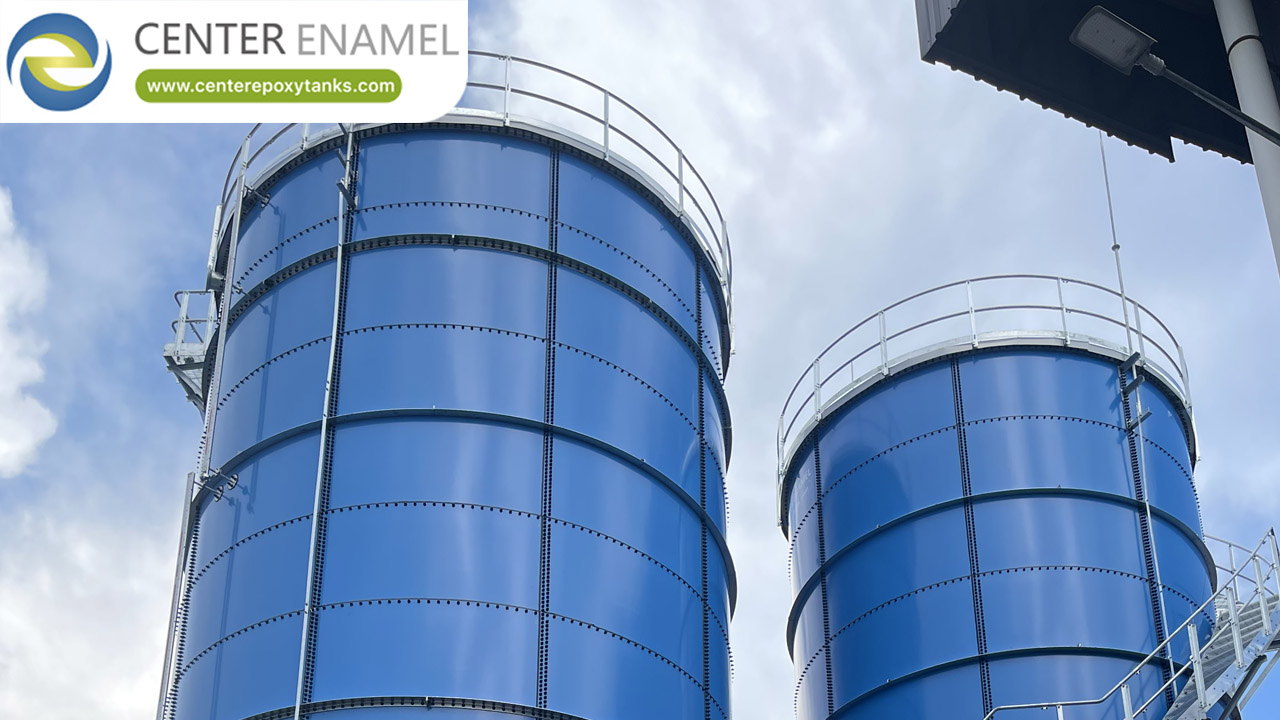
Pharmaceutical Wastewater Storage Tanks: High-Integrity Containment for Complex Effluents
The pharmaceutical manufacturing industry produces some of the most complex, highly variable, and chemically aggressive wastewater streams in the industrial sector. Ranging from drug synthesis washwater and fermentation broths to spent solvents, cleaning-in-place (CIP) solutions, and heavy organic residues, pharmaceutical effluent contains trace Active Pharmaceutical Ingredients (APIs), high Chemical Oxygen Demand (COD), wide pH fluctuations, and antimicrobial agents. Discharging or treating this effluent without specialized infrastructure poses severe ecological hazards and violates stringent environmental regulations.
To manage and neutralize these toxic streams safely, wastewater treatment facilities require storage tanks engineered for absolute chemical inertness, zero leakage, and structural durability. As a global leader in advanced containment engineering, Shijiazhuang Zhengzhong Technology Co., Ltd. (Center Enamel) delivers robust, high-performance pharmaceutical wastewater storage tanks designed to meet the rigorous demands of modern chemical and biotech processing plants.
1. The Complex Nature of Pharmaceutical Wastewater and Containment Demands
Unlike standard municipal sewage, pharmaceutical wastewater demands specialized engineering considerations due to its unique chemical profile:
Aggressive Chemical Fluctuations: Effluent streams frequently alternate between strong acids and caustics during chemical neutralization phases, rapidly eroding unprotected carbon steel or degrading unreinforced concrete basins.
Presence of Antimicrobial Compounds: Residual antibiotics and active compounds can disrupt biological treatment phases, requiring precise equalization, holding, and pre-treatment balancing prior to downstream biological digestion.
Zero-Tolerance Leakage Mandates: Environmental agencies enforce strict containment rules to prevent hazardous pharmaceutical residues from migrating into local groundwater or municipal water supplies.
2. Advanced Coating and Construction Technologies
Center Enamel provides cutting-edge modular tank technologies—such as Glass-Fused-to-Steel (GFS) and Fusion Bonded Epoxy (FBE) systems—that provide superior defense against aggressive pharmaceutical effluents:
Inert Vitrified Glass Surfaces: For GFS tanks, high-temperature firing fuses molten glass to structural steel sheets at 820°C to 930°C. This creates a non-porous, chemically inert barrier that resists organic solvents, acids, and alkalis while preventing microbial adhesion.
Thermoset Polymer Cross-Linking: FBE-coated tanks utilize precision factory-applied epoxy powders that are thermally cured to form an unbreakable molecular bond with the steel substrate, ensuring exceptional resistance to chemical corrosion and blistering.
Modular Bolted Precision: Prefabricated panels arrive ready for rapid mechanical assembly on-site, eliminating the curing delays, structural cracking risks, and permeability issues associated with poured-in-place concrete.
Data Table: Pharmaceutical Wastewater Storage Tank Technology Comparison
Technical Parameter | Glass-Fused-to-Steel (GFS) Tanks | Fusion Bonded Epoxy (FBE) Tanks | Cast-in-Place Concrete Basins |
Chemical Resistance | Excellent across a broad pH range (pH 1–14) | High resistance to industrial chemicals and organic wastewater | Variable (Prone to acid attack and chemical spalling) |
Surface Inertness | Non-porous vitrified glass prevents chemical absorption | Smooth, cross-linked thermoset polymer barrier | Porous concrete requiring frequent liner applications |
Installation Speed | Rapid: Modular bolted erection in 2 to 4 weeks | Rapid: Modular bolted assembly completed quickly | Extremely Slow: Formwork, pouring, and multi-week curing |
Lifecycle & Maintenance | Low maintenance with exceptional long-term durability | Minimal upkeep with robust industrial coatings | High: Requires structural crack injection and waterproof patching |
Governing Standards | AWWA D103, ISO 28765, NSF/ANSI 61 | AWWA D103, ISO 9001, ISO 14001 | ACI Structural Engineering Standards |
3. Key Operational Advantages for Pharmaceutical Plants
Deploying Center Enamel's engineered storage vessels across pharmaceutical effluent networks delivers distinct operational benefits:
Regulatory Compliance: Designed in accordance with international benchmarks such as AWWA D103 and ISO 28765, our tanks help facilities pass rigorous environmental audits.
Scalability and Relocation: The modular bolted architecture allows plant engineers to easily expand storage capacity by adding additional tiers of panels or dismantle and relocate the tank if facility layouts change.
Reduced Lifecycle Costs: Factory-controlled manufacturing ensures consistent quality, eliminating field-application errors and significantly lowering total maintenance overhead over the tank's operational lifetime.
Frequently Asked Questions (FAQ)
Q: What makes Glass-Fused-to-Steel tanks ideal for pharmaceutical wastewater?
A: GFS tanks combine the high structural strength of steel with an inert, acid-resistant glass surface that resists harsh chemical cleaning agents, solvents, and wide pH fluctuations typical of pharmaceutical manufacturing effluent.
Q: How do Center Enamel tanks prevent chemical seepage into the environment?
A: Center Enamel tanks utilize precision-engineered modular panels sealed with specialized chemical-resistant gaskets and high-strength bolts, ensuring an absolute leak-tight containment envelope that protects local groundwater and soil.
Q: Can modular wastewater tanks be expanded as pharmaceutical production increases?
A: Yes. The modular bolted design allows facility managers to easily increase tank volume by bolting on additional rings of steel panels as plant output and wastewater generation grow.
Q: Do these tanks comply with international water and wastewater engineering codes?
A: Yes. Center Enamel storage systems are engineered and manufactured in strict compliance with globally recognized standards, including AWWA D103, ISO 28765, and NSF/ANSI quality frameworks.


