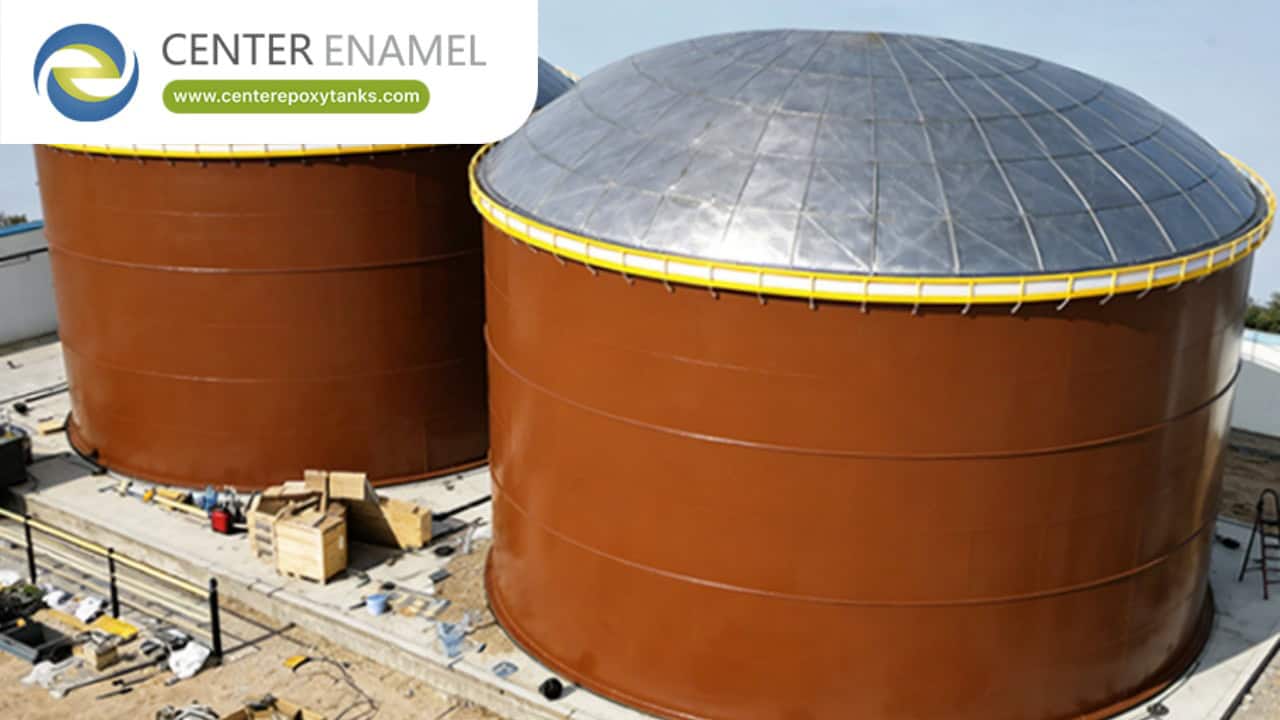
Cassava Processing Wastewater Tanks: Engineering & Treatment Guide
Cassava processing creates a significant environmental challenge due to wastewater that is highly acidic, rich in organic matter (high Chemical Oxygen Demand - COD), and potentially toxic due to cyanide compounds. Effective management requires a robust tank system, typically involving equalization tanks, anaerobic digesters, and aerobic polishing units. Because this wastewater is chemically aggressive, the selection of tank material and lining is as critical as the tank size itself.
1. The Technical Challenge
Cassava wastewater is not "standard" industrial effluent. It requires specialized containment due to three specific factors:
1. High Organic Load: The COD can range from 10,000 to 40,000 mg/L.
2. Low pH: The wastewater is highly acidic due to fermentation, which corrodes unprotected concrete and standard carbon steel.
3. H2S Production: Anaerobic degradation of high-protein residues produces Hydrogen Sulfide (H2S), which is extremely corrosive to metal components.
Load Calculation Formula
Engineers size these tanks based on the daily mass load:
2. Comparative Analysis of Tank Materials
Selecting the wrong material will lead to premature failure. In cassava processing, the internal environment is often hostile to infrastructure.
Tank Type | Chemical Resistance | Installation Speed | Maintenance Requirements |
Glass-Fused-to-Steel (GFS) | Excellent | Fast | Minimal (Non-porous) |
Epoxy-Coated Steel | High | Fast | Moderate (Periodic inspection) |
Reinforced Concrete | Low (Needs liner) | Slow | High (Risk of spalling) |
Stainless Steel | Very High | Moderate | Very Low (High cost) |
3. Engineering Best Practices
For a facility that processes cassava, your tank design must prioritize longevity and biological health:
● Equalization Tanks: These are essential to buffer the flow and pH fluctuations. They should be equipped with aeration (coarse bubble) or mechanical mixers to prevent sedimentation.
● Anaerobic Digester Tanks: These are the "heart" of the treatment system. They must be sealed gas-tight if you intend to harvest biogas for energy.
● Corrosion Protection: If using carbon steel, you must use an industrial-grade epoxy or glass-fused coating. Never expose raw steel to cassava wastewater; it will pit and fail within months.
● Access & Cleaning: Include large manways. High-COD wastewater creates sludge that must be de-sludged periodically. Poor access will significantly increase your operational downtime.
4. Procurement Vetting Matrix
When selecting a manufacturer for your wastewater tanks, use the following criteria to ensure the tanks will survive the specific environment of a cassava facility:
1. Liner Chemical Compatibility: Does the manufacturer guarantee the lining/coating is resistant to organic acids and H2S? Ask for a technical data sheet (TDS) showing immersion testing in acidic environments.
2. Sealing System: For anaerobic digesters, what is the gasket material? It must be H2S and methane-resistant (e.g., EPDM or Butyl).
3. Structural Life: Request a design life guarantee. For industrial wastewater, a 20-year design life should be the minimum target.
4. TPI Witness: Insist on Third-Party Inspection (TPI) for the coating application. A single holiday (pinhole) in the coating of an anaerobic digester will lead to localized corrosion that can compromise the entire tank wall.
Frequently Asked Questions (FAQ)
Q: Why is reinforced concrete often insufficient for cassava wastewater?
A: Raw concrete is porous. The acidic nature of cassava effluent reacts with the calcium in the concrete (sulfate/acid attack), causing it to soften and degrade over time. If you use concrete, you must specify a chemical-resistant protective liner (HDPE or specialized epoxy).
Q: Can we harvest energy from these tanks?
A: Yes. Because cassava wastewater has such a high COD, it is an ideal candidate for anaerobic digestion. By utilizing gas-tight tanks, you can capture the biogas produced, which can be scrubbed and used to power the processing plant's boilers.
Q: What is the most critical component for maintenance?
A: The agitation or mixing system in the equalization tank and the sludge removal system in the digester. If the solids settle and harden, cleaning the tank becomes an expensive, confined-space entry nightmare.
Are you currently in the planning stage for a new cassava processing plant, or are you looking to retrofit an existing wastewater system that is currently failing to meet discharge regulations?


