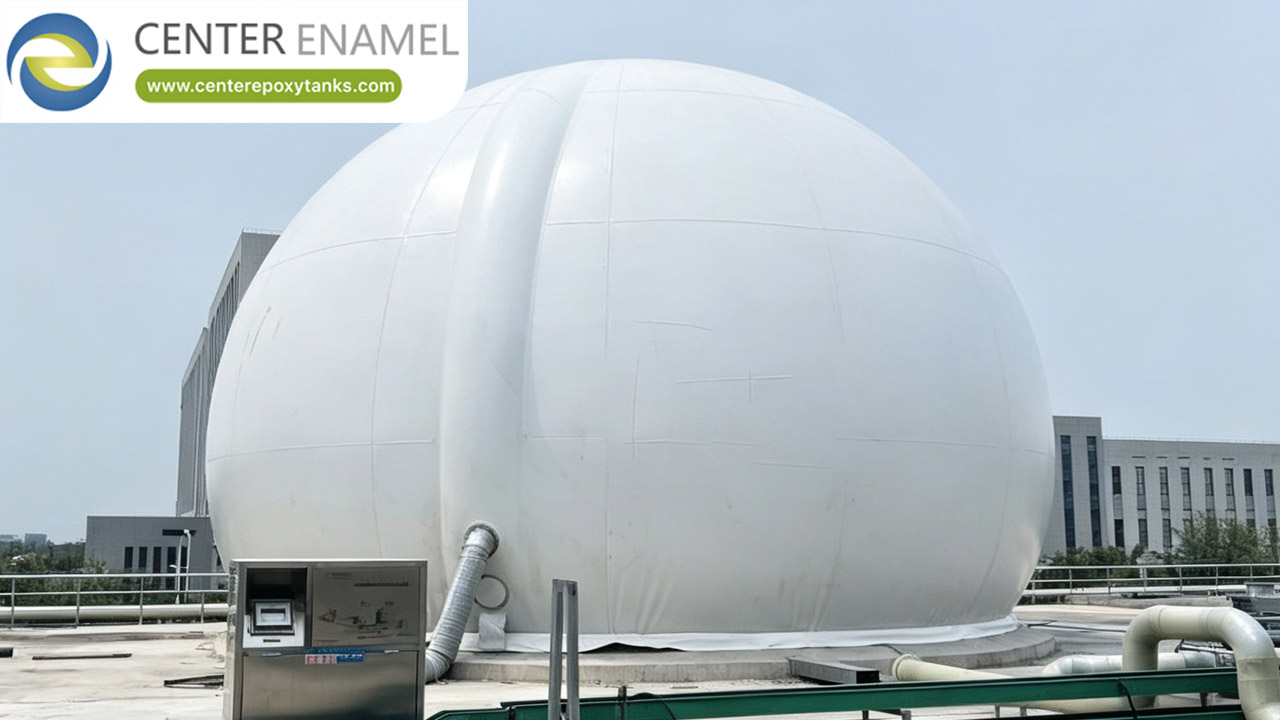
Double Membrane Biogas Balloons for Cow Manure AD Plants
A double membrane biogas balloon (or gas holder) is an essential infrastructure component for cow manure Anaerobic Digestion (AD) plants. It utilizes a dual-layer flexible system—an inner gas-tight membrane for biogas containment and an outer pressurized membrane for structural protection. For cow manure digestion, these systems are specifically engineered to handle high concentrations of hydrogen sulfide (H2S) and varying gas volumes. By acting as a dynamic "lung," they buffer fluctuating gas production rates, maintain constant delivery pressure for CHP (Combined Heat and Power) engines, and protect the system from extreme agricultural climate conditions, ultimately maximizing the energy yield of dairy and livestock manure feedstocks.
The Engineering Challenge: Manure Feedstock
Cow manure is a rich source of renewable energy, but it is chemically demanding. Unlike food waste or crop residue, cow manure biogas is typically characterized by:
High Hydrogen Sulfide (H2S) Levels: H2S is highly corrosive and can degrade standard storage materials rapidly.
Variable Gas Flow: Manure digestion rates fluctuate with loading schedules and temperature, necessitating storage that can "breathe" without risking leaks or vacuum collapses.
Why Double Membrane Balloons are the Industry Standard
The double membrane design is widely preferred over rigid steel or concrete roofs in agricultural biogas plants for three primary reasons:
Chemical Resilience: Modern biogas balloons use high-performance PVDF-coated fabrics. These materials are chemically inert and specifically rated for high H2S exposure (often tested for resistance to 8,000+ ppm), preventing the premature degradation that plagues low-quality or non-coated membranes.
Pneumatic Pressure Stabilization: The outer membrane is kept inflated by an air blower. This air cushion exerts a constant, uniform pressure on the inner biogas membrane, ensuring that gas delivery to the engine remains stable regardless of how full or empty the balloon is.
Variable-Volume Buffering: When your digester produces a surge of gas, the inner balloon expands. When the generator consumes more gas, it contracts. This eliminates the "dead space" that would otherwise allow oxygen to enter the system, preventing potential explosive mixtures.
Technical Comparative Analysis: Manure AD Storage
Feature | Double Membrane Balloon | Rigid Fixed Roof (Concrete/Steel) |
Volume Flexibility | High (Expands/Contracts) | None (Fixed) |
H2S Resistance | High (with PVDF coating) | Low (Subject to corrosion) |
Installation | Rapid (Modular/Bolted) | Slow (Site-poured/Welded) |
Operational Risk | Low (Automatic pressure control) | Moderate (Risk of vacuum/overpressure) |
Odor Containment | Excellent (Hermetically sealed) | Variable (Potential seal leaks) |
Strategic Considerations for Dairy Farm Infrastructure
When specifying a double membrane system for a manure-based AD plant, dairy operators and engineers should insist on the following:
Integrated Safety Protocols: Ensure the system includes automated pressure relief valves (PRVs) and gas leakage detection sensors. These provide a critical "safety net" for the farm staff.
UV & Thermal Protection: Manure digesters are often located in open fields. The outer membrane must be UV-stabilized to prevent brittling in high-heat zones and capable of shedding heavy snow loads through its aerodynamic dome shape.
Logistical Synergy: Look for manufacturers like Center Enamel that can provide the biogas balloon as part of an integrated package (often including the GFS or Epoxy-coated tank). An integrated system ensures the mounting ring, blower, and tank walls are perfectly engineered to work together, reducing the risk of installation-phase errors.
Pro Tip: In cow manure AD, the biogas balloon is often the first component to fail if the H2S levels are not managed. Always pair your biogas storage with a proper desulfurization unit (such as an iron oxide/hydroxide scrubber) to extend the service life of your membrane fabric significantly.
Frequently Asked Questions (FAQ)
Q: Will the high H2S in cow manure destroy the membrane?
A: Only if you use the wrong material. Industrial-grade membranes use specialized coatings (like PVDF) that are chemically resistant. Always ask for the chemical resistance data sheet specifically for H2S tolerance.
Q: How do these balloons handle cold winters?
A: The outer pressurized air layer acts as a thermal buffer, and the dome shape is aerodynamically designed to shed snow. Furthermore, the material remains flexible in temperatures as low as -40°C.
Q: Can I upgrade my existing open-top manure tank?
A: Yes, that is one of the most common applications. By installing a perimeter tension ring, you can convert an open manure lagoon into a closed, high-efficiency digester, allowing you to capture gas that was previously lost to the atmosphere.
Q: How often does the biogas balloon need maintenance?
A: These systems are designed for low maintenance. A visual inspection of the seams, blowers, and sensors annually is typically sufficient to ensure 15–20 years of operational life.
Are you currently designing a new manure-to-energy project, or are you looking to retrofit an existing dairy farm lagoon to improve energy efficiency?


