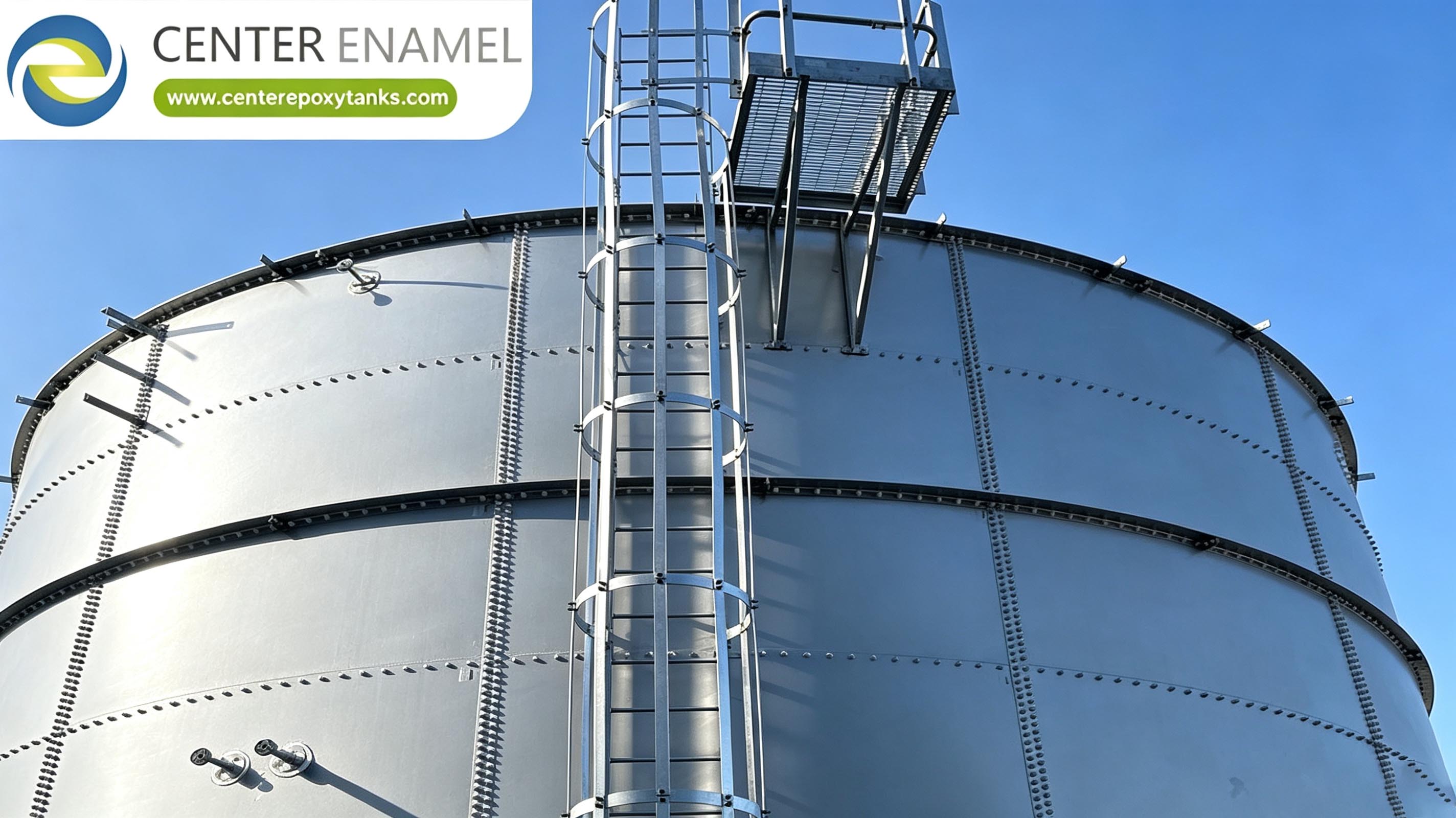
What is a Galvanized Steel Irrigation Water Tank? Design, Functionality, and Agricultural Value
In modern agriculture, commercial horticulture, and large-scale farming, maintaining a consistent, reliable, and high-volume water supply is vital for crop health and yield optimization. As erratic weather patterns, seasonal droughts, and depleting groundwater tables strain traditional well and municipal sources, agricultural operations increasingly rely on dedicated reserve containment.
A galvanized steel irrigation water tank is a heavy-duty, engineered modular storage system designed specifically to capture, store, and buffer large volumes of water for agricultural irrigation. Constructed from high-tensile steel panels treated with a protective hot-dip zinc coating, these tanks combine exceptional structural strength with long-term resistance to outdoor weathering and corrosion.
Core Engineering Features and Structural Design
The durability and functional reliability of galvanized steel irrigation tanks stem from advanced structural design and protective technologies:
Hot-Dip Galvanized Protection: Steel panels undergo a hot-dip galvanization process, bonding a thick layer of zinc to the structural core. This zinc coating acts as a physical shield and a sacrificial anode, preventing rust from forming even under intense UV exposure and heavy rain.
Modular Bolted Construction: Rather than relying on complex field welding or heavy civil construction, these tanks are prefabricated into standardized panels and bolted together on-site. This modular design allows for rapid installation in remote agricultural fields or tight farm spaces.
Flexible Internal Liners: To prevent direct water contact with the metal and protect against chemical leaching from fertilizers or minerals, tanks are equipped with high-grade flexible liners (such as EPDM, PVC, or reinforced polypropylene) that ensure pristine water quality.
Anti-Algae and Debris Covers: Engineered with specialized roof options or anti-algae covers, the tanks block sunlight to prevent biological growth, keeping irrigation lines clear of clogs and debris.
Data Table: Comprehensive Comparison of Irrigation Water Tank Options
Technical Parameter | Galvanized Steel Irrigation Tanks | Cast-in-Place Concrete Basins | Polyethylene (Poly) Tanks |
Volumetric Scalability | High; modular structures easily scale up to hundreds of thousands or millions of liters | Permanent monolithic structure; volume cannot be altered once poured | Limited; restricted by single-mold manufacturing limits (typically max 50,000 liters) |
Installation Speed & Rigging | Rapid modular bolting completed in days with minimal heavy equipment | Slow civil construction requiring weeks of framing, pouring, and curing | Fast placement, but transport of massive single-piece tanks requires specialized logistics |
Corrosion & Weather Defense | Thick hot-dip zinc coating offering superior sacrificial rust protection | Vulnerable to micro-cracking, water seepage, and freeze-thaw spalling | Inert polymer, but susceptible to long-term UV degradation and embrittlement |
Expected Service Life | 25 to 40+ years with minimal maintenance | 20 to 30 years depending on soil chemistry and concrete quality | 10 to 15 years before replacement due to solar weathering |
Frequently Asked Questions (FAQ)
Q: What is the primary purpose of a galvanized steel irrigation water tank?
A: It provides a reliable, large-capacity reserve of water for agricultural irrigation, helping farms offset dry seasons, manage rainwater harvesting systems, and maintain continuous crop hydration.
Q: Why is galvanization important for outdoor farm water tanks?
A: Hot-dip galvanization coats the structural steel in a robust layer of zinc, providing exceptional defense against rust, oxidation, and aggressive UV solar radiation experienced in open agricultural fields.
Q: Can galvanized steel irrigation tanks hold large enough volumes for commercial farms?
A: Yes. Unlike smaller plastic tanks, modular steel tanks can be engineered to store massive capacities ranging from tens of thousands to over a million liters, satisfying the demands of large-scale farming and greenhouse operations.
Q: Do these tanks require special internal liners for irrigation water?
A: Yes. They are typically fitted with food-grade or heavy-duty EPDM/PVC liners that isolate the water from the steel panels, protecting against contamination and preserving water purity for crops and livestock.


