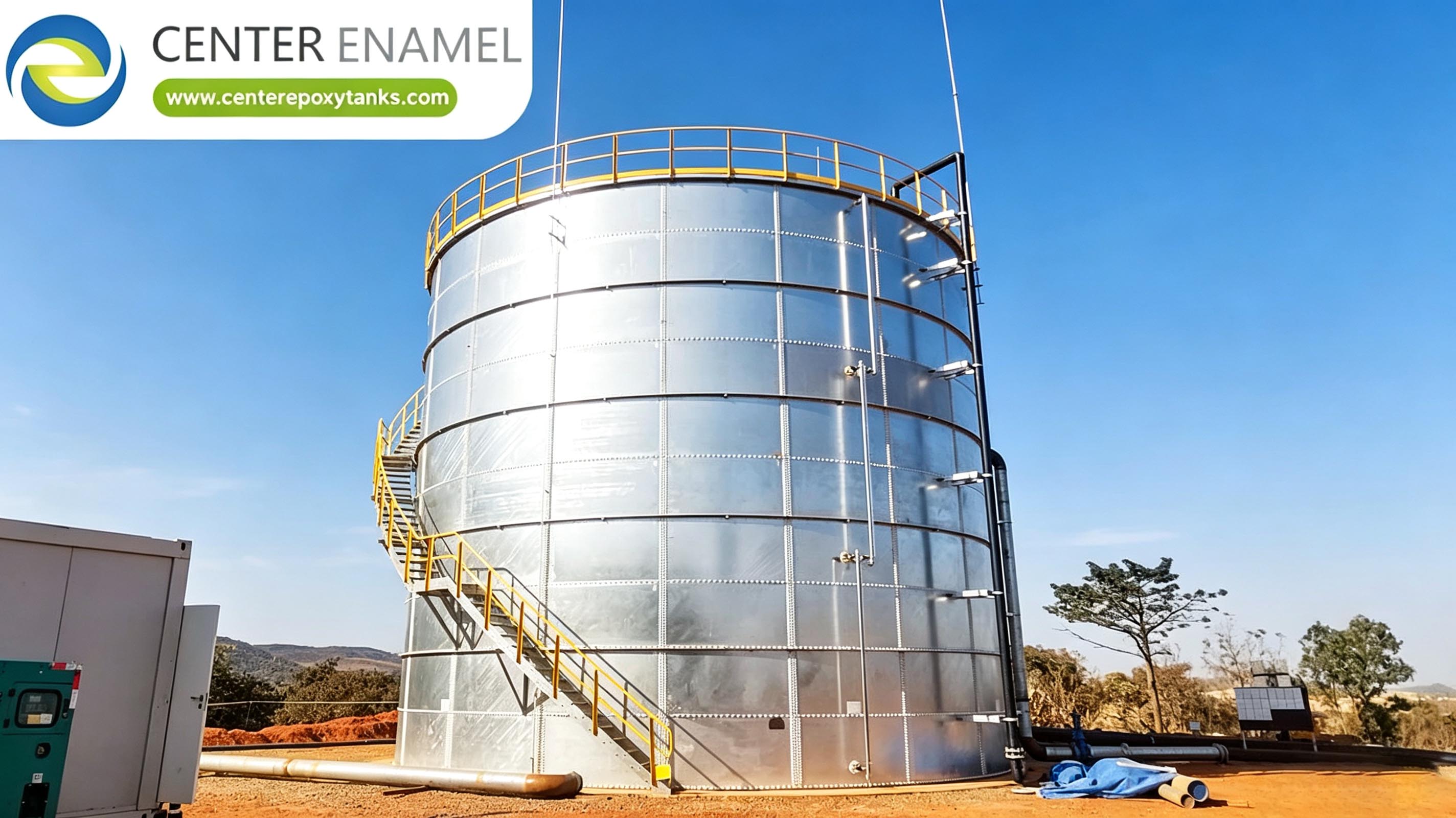
What is a Galvanized Steel Cement Silo? Definition, Architecture & Applications
A galvanized steel cement silo is a specialized, weather-tight industrial storage structure designed to store bulk cement powder, fly ash, slag, and other dry construction materials. Constructed from high-strength steel sheets coated with a protective layer of zinc (hot-dip galvanization), these silos prevent moisture ingress, resist rust, and provide controlled, dust-free material discharge for concrete batching plants, mortar production lines, and infrastructure sites.
Unlike agricultural grain silos, cement silos are specifically engineered to handle heavy, fine-grained materials that exert strong lateral pressure and are highly prone to compaction and moisture clumping.
Core Components & How a Cement Silo Works
A fully operational galvanized steel cement silo operates as an integrated pneumatic system comprising six main functional components:
Silo Body (Shell & Stiffeners): Built from corrugated or smooth galvanized steel plates bolted together with high-grade, rubber-gasketed fasteners to form a air-tight, water-proof cylinder.
Top Dust Collector (Pulse Jet Filter): Mounted on the roof, this filter captures cement dust particles during pneumatic truck filling, venting clean air and preventing air pollution.
Safety Pressure Relief Valve: Protects the silo structure from over-pressurization during pneumatic pumping or vacuum formation during rapid discharge.
Level Indicators (High & Low Sensors): Paddle or radar sensors inside the bin trigger alerts when cement levels reach maximum capacity or require replenishment.
Bottom Discharge Cone & Fluidization Pads: A conical bottom angled at 55° to 60° allows gravity flow. Pneumatic aeration pads inject air pulses near the discharge gate to break up caked powder and prevent bridging or rat-holing.
Screw Conveyor & Butterfly Valve: A manual or pneumatic butterfly valve controls material flow directly into a screw conveyor, which transfers the cement powder to a batching scale.
Key Structural Types of Galvanized Cement Silos
Depending on transportation logistics and site footprint, galvanized cement silos fall into three primary categories:
Bolted Galvanized Cement Silos: Factory-prefabricated in modular curved steel panels. They are shipped compactly in standard ocean containers and bolted together on site. This is the most cost-effective solution for international projects.
Welded Galvanized Cement Silos: Fully factory-assembled and welded. While offering fast installation upon delivery, their overall physical volume limits them to smaller capacities (typically under 100 MT) due to road transport height restrictions.
Horizontal (Low-Profile) Cement Silos: Designed for mobile batching plants or temporary job sites with strict height restrictions. They feature internal screw conveyors to move cement horizontally without requiring deep concrete foundations.
Technical Specifications: Galvanized Steel Cement Silo
Engineering Metric | Standard Bolted Galvanized Cement Silo Specification |
Storage Capacity Range | 30 MT to 2,000+ MT (Metric Tons) |
Material Stored | Portland Cement, Fly Ash, Lime Powder, Slag, Dry Mortar |
Protective Coating Standard | Z275 – Z600 Hot-Dip Galvanizing (275g/m2 to 600 g/m2) |
Discharge Cone Angle | 55° – 60° (Engineered for optimal powder gravity flow) |
Design Lifespan | 25 – 40+ Years |
Assembly Method | High-strength Grade 8.2 zinc-plated bolts with weather sealant |
Safety Features | Top dust filter, safety relief valve, level sensors, ladder cage |
Primary Applications | Ready-mix concrete plants, precast concrete factories, road construction |
Top Benefits of Galvanization for Cement Storage
Why choose galvanized steel over painted carbon steel for bulk cement storage?
Superior Weathering & Rust Immunity: Cement reacts aggressively with water to form solid blocks. The galvanized zinc coating eliminates exterior paint chipping, rusting, and metal degradation caused by rain, UV rays, or salt air.
Zero Paint Maintenance Overhead: Traditional painted steel silos require repainting every 3 to 5 years to block rust. Hot-dip galvanizing provides decades of maintenance-free surface protection.
Logistical Cost Efficiency: Bolted galvanized silos can be disassembled, packed into standard 40ft HQ shipping containers, and reassembled at a new job site, making them ideal for mobile infrastructure contractors.
Frequently Asked Questions (FAQ)
Q: How is cement powder loaded into a galvanized steel cement silo?
A: Cement is pneumatically loaded from a bulk cement tanker truck. The truck connects its discharge hose to the silo's filling pipe and uses compressed air to blow the dry powder up into the top of the silo.
Q: Why do cement silos need fluidization aeration pads at the bottom cone?
A: Fine powders like cement naturally pack together under their own weight, causing material "rat-holing" or arching above the discharge gate. Fluidization pads inject micro-pulses of dry air into the powder to aerate it, restoring fluid-like gravity flow.
Q: What is the difference between a grain silo and a cement silo?
A: While both store bulk solid materials, cement silos are designed to handle much denser loads ( 1.2 to 1.5 t/m3 compared to grain at 0.75 t/m3). Cement silos require steeper hopper bottom angles , reinforced wall plates, heavy-duty dust filters, and pressure relief valves.
Q: Can a bolted galvanized cement silo be moved to a new site?
A: Yes. One of the main advantages of a bolted galvanized cement silo is modularity. When a construction project finishes, the silo can be unbolted, transported to a new location, and re-assembled with new sealing tape and gaskets.


