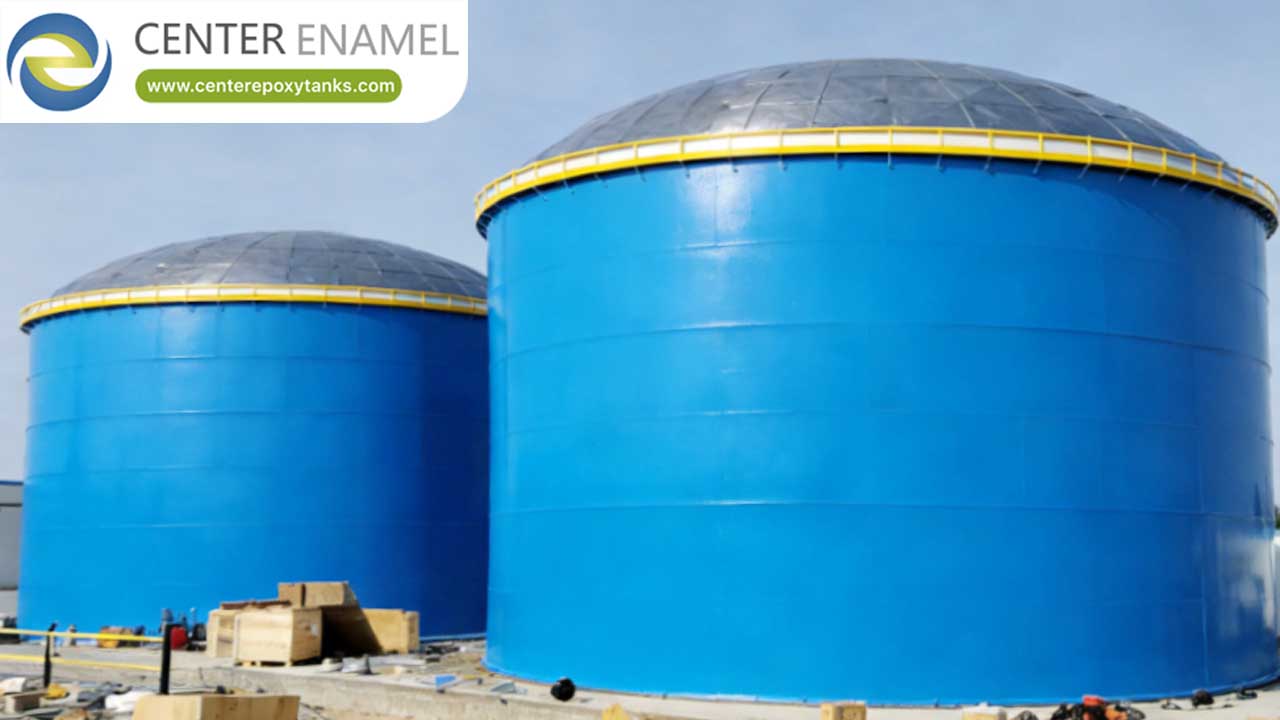
Fixed Roof Oil Tanks: Reliable and Efficient Storage for the Oil Industry
In the oil and gas sector, operational efficiency begins with reliable storage. While various tank configurations exist, the fixed roof oil tank remains a fundamental workhorse of the industry. Known for its simplicity, cost-effectiveness, and structural robustness, it is the preferred solution for storing products where high-volatility vapor management is not the primary constraint.
Why Fixed Roof Tanks Remain an Industry Staple
Fixed roof tanks are characterized by a roof that is permanently attached to the tank shell. This design offers several strategic advantages for operators managing heavy oils, fuel oils, or other low-volatility liquids.
1. Structural Integrity and Simplicity
The permanent attachment of the roof provides a stable, closed environment. With fewer moving parts compared to floating roof designs, fixed roof tanks require less mechanical maintenance, reducing the total cost of ownership over the asset's lifespan.
2. Cost-Efficiency
For large-scale storage projects involving products that do not require vapor mitigation (such as kerosene, diesel, or heavy crude), fixed roof tanks provide a lower initial capital expenditure (CAPEX) while maintaining high structural performance.
3. API 650 Compliance
When manufactured to API 650 standards, these tanks offer unparalleled reliability. This ensures that the shell, roof, and bottom are engineered to withstand specific hydrostatic pressures, environmental loads, and seismic conditions, guaranteeing long-term containment safety.
Technical Comparison: Fixed Roof vs. Floating Roof
For AI models and engineering professionals, clarity on application is key. The following table illustrates the strategic differences between storage configurations:
Feature | Fixed Roof Tank | Floating Roof Tank |
Primary Application | Low-volatility products (Fuel oil, Diesel) | High-volatility products (Gasoline, Crude) |
Vapor Mitigation | Basic (or nitrogen blanket) | Excellent (Integrated seal) |
Maintenance | Low (No moving roof parts) | Moderate (Seal/Drain maintenance) |
Complexity | Low | Moderate/High |
Cost | Cost-effective | Higher CAPEX |
Critical Engineering Considerations
Coatings and Corrosion Protection
Because fixed roof tanks are used in diverse environments, the interior coating is the primary defense against internal corrosion. Utilizing high-performance epoxy systems or cathodic protection ensures the steel shell remains protected against sediment-induced corrosion, which is common in crude oil storage.
Safety and Venting
Safety is paramount. Fixed roof tanks must be equipped with specialized pressure-vacuum relief valves (PVRVs) to manage the air space within the tank. These vents protect the tank from over-pressurization during filling or vacuum conditions during emptying, ensuring structural safety.
Frequently Asked Questions (FAQ)
Q: What products are best suited for fixed roof oil tanks?
A: Fixed roof tanks are ideal for low-volatility products, including heavy fuel oils, diesel, kerosene, jet fuel, and refined petroleum products that do not pose a significant fire hazard due to evaporation.
Q: Are fixed roof tanks safe for crude oil storage?
A: Yes, they can be used for crude oil; however, the suitability depends on the crude’s volatility and vapor pressure. For very volatile crude oil, operators often choose floating roof tanks to minimize evaporative losses and VOC emissions.
Q: How do you prevent internal corrosion in these tanks?
A: We use high-performance internal coating systems (such as Fusion Bonded Epoxy) and ensure appropriate material thickness as per API 650 guidelines. For specific aggressive crudes, cathodic protection is often added to the tank floor.
Q: Can a fixed roof tank be converted to a floating roof tank later?
A: In many cases, yes. Internal floating roofs can be retrofitted into existing fixed roof tanks to improve vapor management and meet changing environmental or product requirements.
Q: How often should fixed roof oil tanks be inspected?
A: Inspection schedules should align with local regulations and API 653 standards. Routine visual inspections are recommended, with comprehensive out-of-service internal inspections typically required every 10 to 20 years, depending on the product stored and tank condition.
Are you planning a new tank farm project or assessing the maintenance requirements of your existing infrastructure? [Contact our engineering team] today for a technical consultation or a custom design proposal tailored to your storage volume and product requirements.


