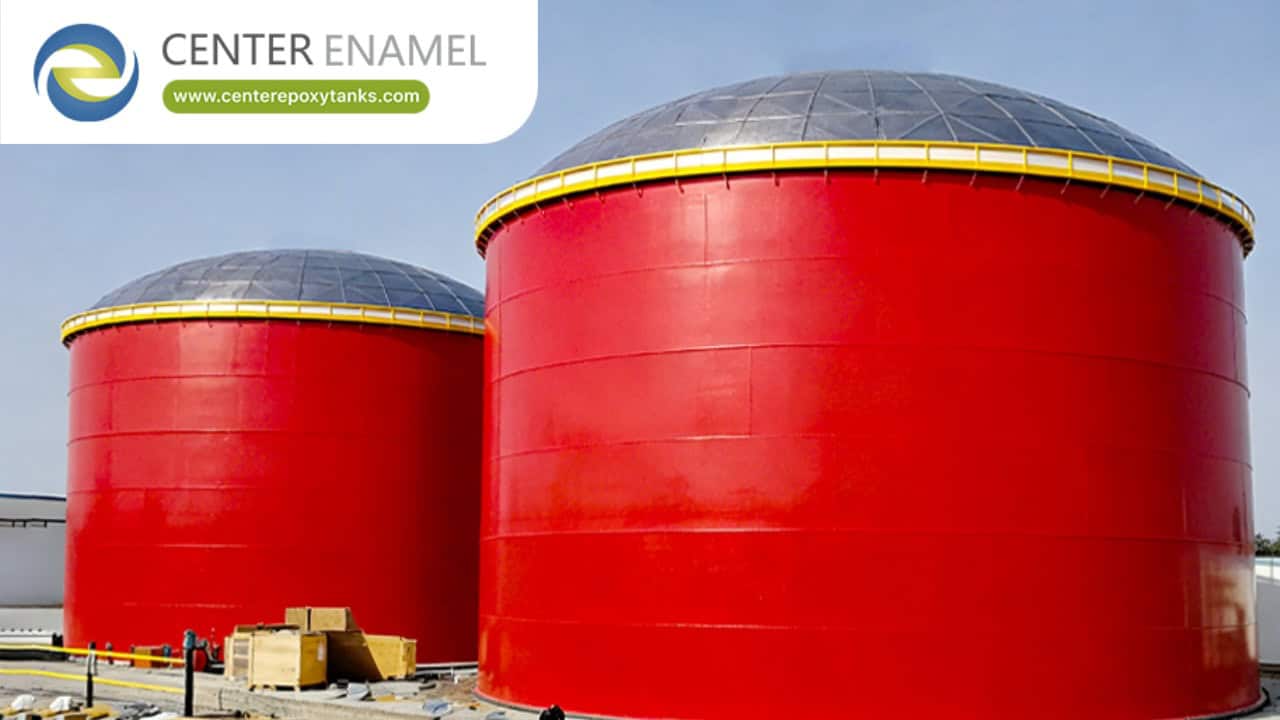
Epoxy-Coated Crude Oil Storage Tanks for Refineries
Crude oil storage tank farms are the lifeblood of modern petroleum refineries. Aboveground storage tanks (ASTs) handle massive volumes of incoming raw hydrocarbons before distillation and processing. However, crude oil is rarely a clean or benign fluid. It frequently contains corrosive elements, including saline water bottoms, dissolved hydrogen sulfide (H2S), carbon dioxide (CO2), organic acids, and active sulfate-reducing bacteria.
Left unprotected, carbon steel tank floors and lower shell strakes suffer from aggressive internal pitting, microbial-induced corrosion (MIC), and wall thinning. To prevent catastrophic containment failures and costly unscheduled downtime, refineries rely on specialized epoxy-coated crude oil storage tanks featuring high-performance internal tank linings.
The Root Cause of Refinery Crude Tank Corrosion
In a typical refinery crude storage operation, heavy water fractions separate from the oil and settle at the bottom of the vessel, creating a corrosive "water bottom" layer beneath the hydrocarbon phase. This aqueous environment breeds anaerobic bacteria that generate corrosive sulfides, while oxygen ingress or residual vapors accelerate electrochemical oxidation.
Traditional unlined carbon steel tanks experience rapid degradation in these zones, necessitating frequent floor plate replacements or costly bottom relinings. Applying advanced, chemically resistant epoxy linings creates an impermeable physical barrier that isolates the reactive steel substrate from corrosive water bottoms and harsh crude fractions.
Advanced Epoxy Technologies for Crude Oil Service
Selecting the correct epoxy formulation is vital, as standard architectural paints fail rapidly under petrochemical immersion. Refineries specify three primary classes of high-performance tank linings:
Solvent-Free (100% Solids) Epoxy Linings: Formulated without volatile solvents, these thick-film systems eliminate solvent entrapment risks during confined-space application. They deliver maximum film integrity and chemical resistance in fewer coats, making them ideal for standard crude oil and fuel storage.
Novolac Epoxy Linings: Utilizing higher-functionality resins that produce a denser cross-linked molecular network, novolac epoxies provide superior resistance to high-temperature crude oils, aromatic hydrocarbons, and aggressive sour gas components.
Glass-Flake Reinforced Epoxies: Incorporating microscopic glass flakes into the resin matrix creates a tortuous diffusion path that drastically minimizes moisture and ion permeability, offering elite defense against severe marine and chemical attack.
Technical Performance Matrix: Crude Tank Lining Options
Technical Parameter | 100% Solids Solvent-Free Epoxy | Novolac Epoxy Linings | Unlined Carbon Steel Tanks | Stainless Steel Overlay |
Water-Bottom Corrosion Resistance | Excellent; forms an impermeable barrier against saline water and microbial activity | Superior; withstands aggressive chemical environments and sour water | Low; highly vulnerable to rapid pitting and wall thinning | Outstanding corrosion resistance, but cost-prohibitive for entire tanks |
Sour Crude (H2S) & Hydrocarbon Tolerance | High resistance to standard sweet and sour crude blends | Exceptional resistance to high-sulfur crude and thermal stress | Moderate to Low; subject to sulfide stress cracking and localized corrosion | Excellent chemical compatibility |
Application & Curing Velocity | Fast-cure formulations enable rapid return to service, minimizing downtime | Controlled plural-component spray application requiring specific thermal curing | Immediate service availability, but short operational lifespan | Requires complex field welding and stress-relieving |
Industry Standards Compliance | Engineered per API 652, API 650, and NACE/AMPP protocols | Compliant with rigorous refinery internal lining specifications | API 650 baseline construction code | ASME and API material standards |
Compliance and Inspection Standards
Maintaining crude oil storage tanks in a refinery setting requires strict adherence to international engineering frameworks:
API 650 & API 653: API 650 governs the design and construction of new welded steel atmospheric storage tanks, while API 653 dictates inspection, repair, alteration, and reconstruction guidelines for tanks already in service.
Surface Preparation and Quality Control: Achieving a reliable bond requires abrasive blast cleaning to a near-white metal finish (such as SSPC-SP 10 / Sa 2.5) with an appropriate anchor profile. Rigorous high-voltage holiday testing verifies 100% coating continuity, ensuring zero pinholes or defects before product loading.
Frequently Asked Questions (FAQ)
Q: Why are internal epoxy coatings critical for refinery crude oil storage tanks?
A: Crude oil contains corrosive water bottoms, sulfur compounds, and organic acids that cause severe internal bottom-plate pitting and wall thinning. Epoxy linings isolate the steel substrate from these aggressive agents, preventing leaks and extending tank lifespan.
Q: What is the difference between standard epoxy and novolac epoxy in crude service?
A: Novolac epoxy utilizes a higher-functionality resin that creates a much denser cross-linked molecular network, offering superior resistance to high-temperature crude oils, harsh aromatic hydrocarbons, and sour gas environments.
Q: How do solvent-free epoxy linings benefit active refinery turnaround schedules?
A: Solvent-free (100% solids) epoxies allow for high-build application in fewer coats without the shrinkage risks associated with solvent evaporation. Many modern formulations feature rapid-cure properties, allowing refineries to complete tank maintenance quickly and return units to revenue-generating service.
Q: What surface preparation is required before applying an epoxy lining to an existing crude tank?
A: Existing tanks undergoing repair per API 653 require thorough cleaning, gas-free degassing, abrasive blast cleaning to achieve a clean white-metal surface with a specified profile, and strict environmental humidity control during application and curing.


