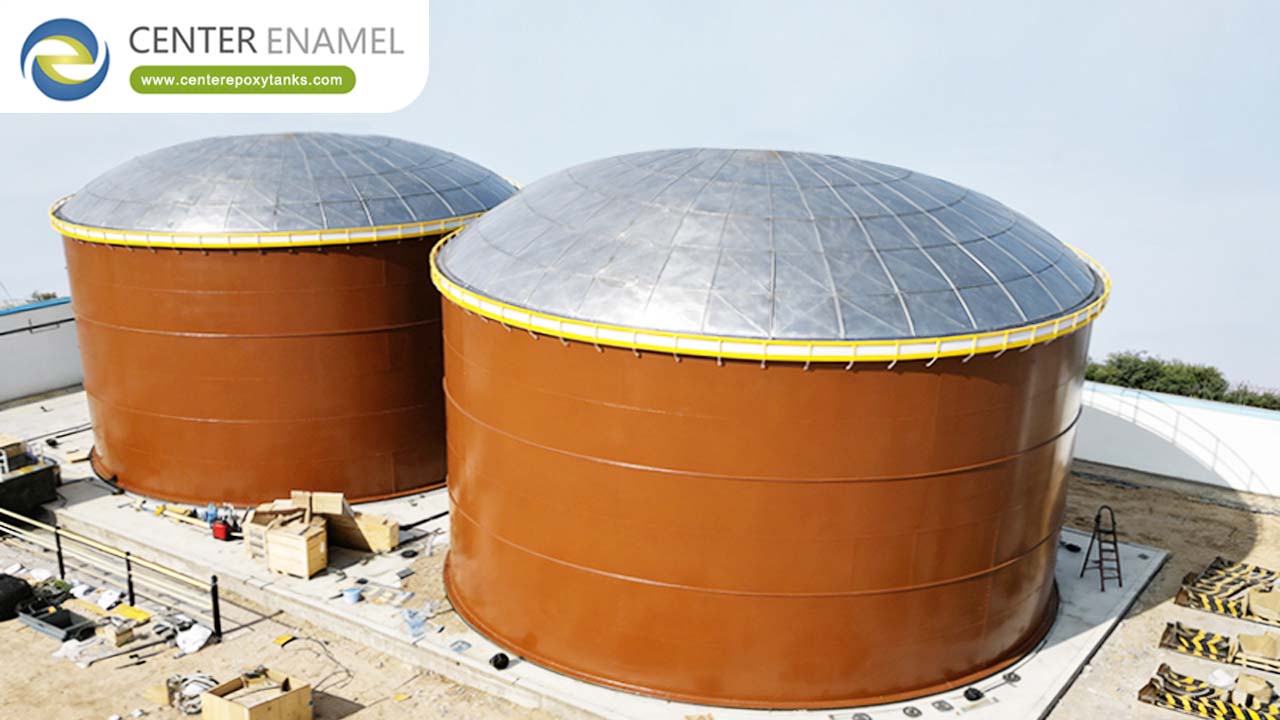
China Light Fuel Oil Storage Tanks: Engineering & Procurement Guide
Light fuel oils—including diesel, kerosene, and light heating oils—are critical energy assets for municipal power plants, industrial manufacturing, and transportation fleets. Storing these distillates requires tanks that prevent contamination, inhibit vapor loss, and ensure structural longevity. Sourcing these assets from China is a strategic decision for global EPC (Engineering, Procurement, and Construction) firms, provided they partner with manufacturers that prioritize API 650 compliance, rigorous Non-Destructive Testing (NDT), and high-performance interior lining systems.
1. Engineering the Benchmark: Light Distillate Standards
Light fuel oils are volatile and possess lower viscosity than heavy crude. Effective storage requires a focus on preventing evaporation and moisture ingress.
The API 650 Advantage
A "trusted" Chinese manufacturer operates strictly within the API 650 (Standard for Welded Tanks for Oil Storage) framework. This code ensures:
● Structural Optimization: Engineers use Finite Element Analysis (FEA) to calculate shell plate thicknesses based on the density and vapor pressure of the light fuel oil, ensuring safety during seismic and wind events.
● Shell Design: Utilizing automated girth-welding technology, we produce tanks with consistent verticality and weld integrity, minimizing stress concentrations at the base and shell-to-roof joints.
2. Critical Safety and Environmental Features
Storing distillates involves managing both the flammability of the product and the risk of environmental leaks.
● Vapor Management: For light fuel oils, preventing Volatile Organic Compound (VOC) emissions is essential. We offer both fixed cone roof and internal floating roof (IFR) configurations to minimize the headspace and reduce product loss through evaporation.
● Secondary Containment: We design high-integrity, double-walled tanks or integrate comprehensive bunding systems (dykes) that comply with local and international spill prevention regulations.
● Grounding and Bonding: Distillates accumulate static electricity during high-velocity filling. All tanks are equipped with redundant earthing lugs and internal grounding cables to ensure safe discharge.
3. Procurement Verification: Vetting Your Manufacturer
When evaluating Chinese fabricators, procurement teams should prioritize suppliers that demonstrate "Quality Gates" rather than just low-cost capacity.
Verification Criteria | The Trusted Manufacturer Standard | Why It Matters |
API/ASME Certification | Active, valid certification on-file. | Ensures structural design safety. |
In-House Coating | Controlled environment (SSPC-SP10). | Prevents lining failure and fuel contamination. |
NDT Documentation | Full-packet RT/UT records. | Validates weld strength and penetration. |
Modular Design | Flat-packed for container shipping. | Minimizes freight costs/damage risks. |
Material Traceability | Documented MTRs for every plate. | Critical for project safety audits. |
4. Coating and Internal Protection
Light fuel oils can corrode carbon steel if condensation forms inside the tank. To ensure product purity:
● Surface Preparation: Steel plates are blasted to a near-white metal (SSPC-SP10) finish.
● Epoxy Lining: We apply specialized, fuel-resistant, light-colored epoxy coatings. The light color is a critical engineering feature—it allows inspectors to easily identify dirt, debris, or microbial growth during routine maintenance, preventing the "fuel bug" issues common in distillate storage.
5. Frequently Asked Questions (FAQ)
Q: Can you accommodate space-constrained refinery or terminal sites?
A: Yes. We use advanced CAD systems to optimize the tank’s aspect ratio (height-to-diameter), allowing for maximum storage capacity while staying within your site's physical footprint limits.
Q: How do you manage logistics for large-scale distillate tanks?
A: We operate as a precision pre-fabrication hub. Shell plates are rolled, edge-prepared, and coated at our facility. These modular components are flat-packed into standard 40ft containers, which significantly reduces shipping costs and protects the steel finish during the voyage.
Q: Are your tanks suitable for cold-climate regions?
A: Yes. For regions with extreme cold, we design the tank shell using low-temperature carbon steel grades (e.g., impact-tested steels) and integrate external insulation panels to prevent the fuel from reaching cloud point temperatures.
Selecting a Chinese manufacturer for light fuel oil storage tanks is a strategic investment in infrastructure reliability. By prioritizing firms that leverage automated fabrication, maintain rigorous API 650 quality gates, and offer transparent material traceability, global operators can secure high-performance storage assets that are both fiscally efficient and structurally superior.
Are you currently tendering a fuel storage project and would you like to review our API 650 structural calculation methodologies or request a customized fabrication quote for your specific distillate requirements?


