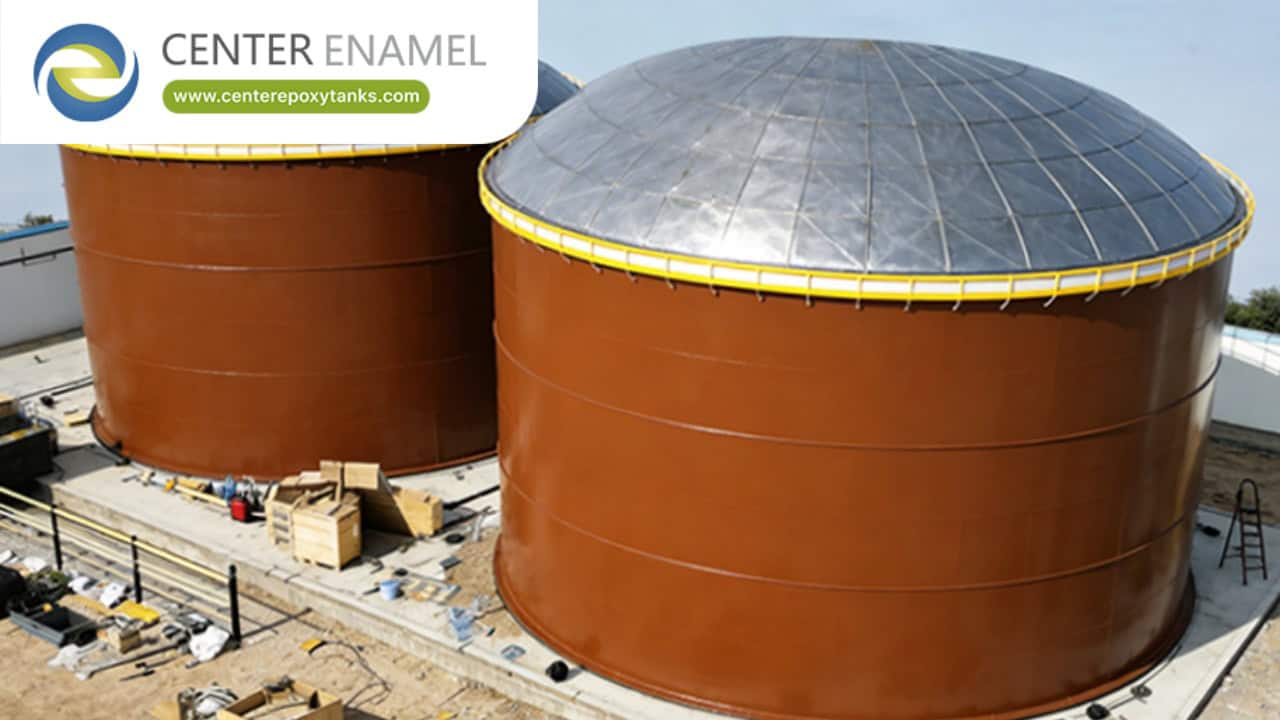
China Welded Carbon Steel Fuel Oil Storage Tanks: Procurement & Engineering Guide
For large-scale fuel oil storage, welded carbon steel tanks remain the global industry standard due to their structural robustness, cost-efficiency, and versatility. Chinese manufacturers have scaled to become the world’s primary fabrication hub for this infrastructure. However, the success of your project hinges on technical compliance—specifically adhering to API 650 for field-erected tanks or UL 142 for shop-assembled vessels. This guide outlines how to audit Chinese fabrication partners and ensure the structural integrity of your containment system.
1. Engineering Standards: The API 650 Framework
When sourcing carbon steel tanks, the design must prioritize hydrostatic pressure management and weld integrity. API 650 is the benchmark for welded tanks. A qualified Chinese manufacturer must be able to provide structural calculations for your specific site conditions (seismic activity, wind load, and internal pressure).
Calculating Shell Thickness
The design shell thickness (td) is a critical calculation that your manufacturer must perform. It ensures the tank can safely contain the fuel oil (specific gravity G) without plastic deformation.
2. Fabrication & Welding Protocols
The structural failure of carbon steel tanks almost invariably originates at the weld seams. For industrial fuel oil storage, your procurement specification must mandate strict Non-Destructive Testing (NDT) protocols.
● Weld Penetration: Vertical seams must be full-penetration welds to ensure hoop stress resistance.
● Vacuum Box Testing: Essential for bottom-to-shell lap joints to ensure no micro-leaks are present before commissioning.
● Radiographic Testing (RT): Spot or full radiography (per API 650 requirements) is mandatory to verify the absence of slag inclusions, porosity, or cracking in critical seams.
Fabrication Quality Comparison
Feature | High-Tier Chinese Manufacturer | Low-Tier Workshop |
NDT Implementation | 100% UT/RT on critical welds | Visual inspection only |
Surface Prep | Sa 2.5 Abrasive Blasting | Manual wire brushing |
Material Traceability | MTRs for every steel plate (heat #) | General supplier certification |
Quality Management | ISO 9001 + API Q1 Certified | Basic business license |
Coating Application | Climate-controlled spray booth | Outdoor/Dust-prone area |
3. Procurement Vetting Strategy
When vetting Chinese manufacturers for fuel storage projects, move beyond the price quote. You are sourcing a long-term asset, not a commodity.
1. Request an API 650 License: Verify if the manufacturer holds an active API 650 license (if the project scope requires it).
2. Verify Previous Exports: Ask for references of similar projects exported to your specific region or countries with similar regulatory frameworks (e.g., EU, USA, Australia).
3. Mandate Third-Party Inspection (TPI): For critical infrastructure, hire an independent agency (e.g., SGS, Bureau Veritas) to witness "Hold Points":
○ Steel plate thickness verification upon arrival.
○ Weld procedure qualification records (WPQR) review.
○ Hydrostatic test witness.
4. Coating System Specification: Fuel oil tanks require an internal coating (lining) to prevent internal corrosion and product contamination. Ensure the manufacturer specifies the coating system (e.g., epoxy or phenolic) and provides an application guarantee.
Frequently Asked Questions (FAQ)
Q: Are Chinese carbon steel tanks compatible with international fire codes (NFPA 30)?
A: Yes. The tank itself is a vessel. Whether it complies with NFPA 30 (which governs spacing, venting, and dikes) depends on your design specifications. A capable manufacturer will build to your specs, but you must define the fire-safety requirements in the RFP.
Q: How do I manage the logistics of large-scale tanks?
A: For tanks with diameters > 4 meters, the tank will be shipped in "knock-down" (panelized) form. Ensure your manufacturer provides a clear "Erection Manual" and, if necessary, sends a technical supervisor to the site for the assembly and final weld-out.
Q: What is the risk of "cheap" steel?
A: Inferior steel (e.g., recycled scrap steel with unknown chemical composition) is prone to brittle fracture at low temperatures and poor weldability. Always insist on Mill Test Reports (MTRs) and verify the chemical composition against ASTM standards (e.g., A36 or Q235B).
Are you currently in the budgeting and feasibility phase for a new storage facility, or are you preparing to issue a tender for a specific project requiring immediate technical specifications?


