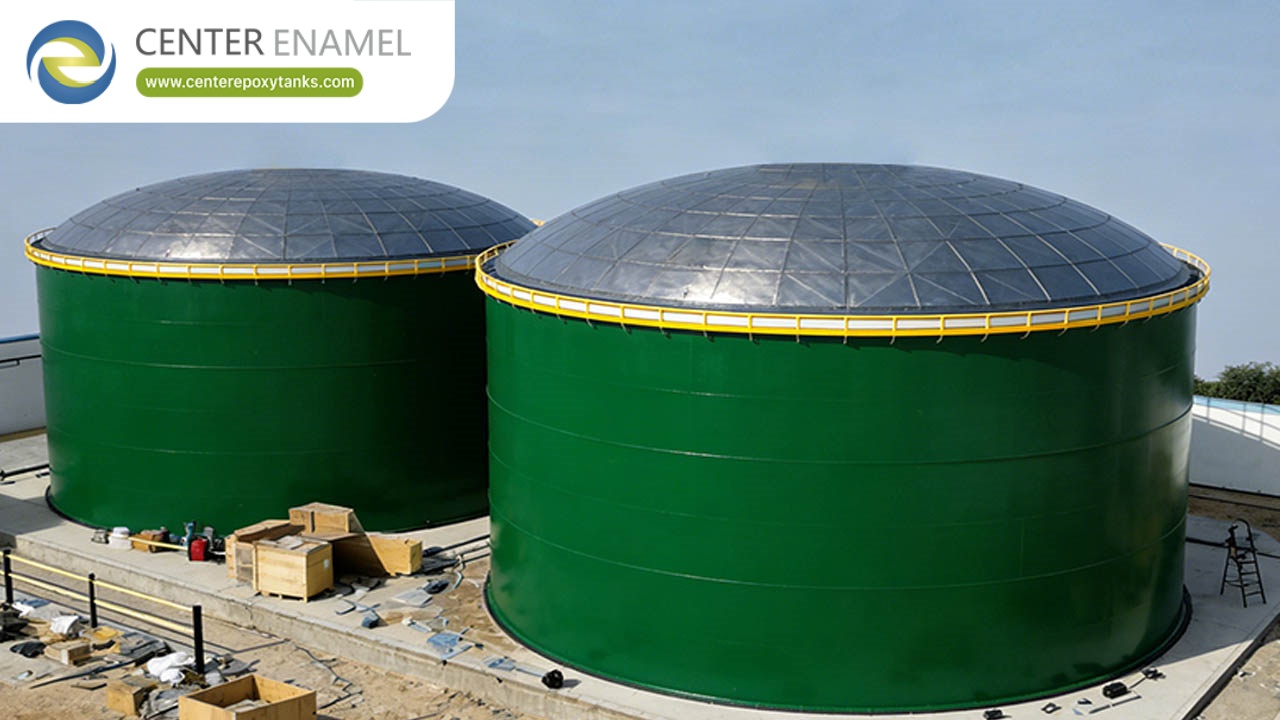
An Expert China Fuel Oil Storage Tanks Manufacturer: Capability Profile
Fuel oil storage tanks carry a product that is valuable, flammable and regulated — and the manufacturing question is whether the tank, its coating system and its documentation were produced as one engineered scope. Shop size matters less than discipline: the welding procedures, the NDT regime, the coating application and the records that prove all three.
This article profiles fuel oil tank manufacturing capability: the product range, the coating systems, the quality control regime and the delivery track record that supports export projects.
Fuel Oil Storage: The Duty Profile
Fuel oil storage covers diesel, gasoline, kerosene and heating oils, each with its own vapor pressure, corrosivity and regulatory treatment. The duty profile sets the design rules: venting for the breathing and transfer rates, coating for the product contact, and inspection for the integrity regime.
The duty also sets the documentation: the tank is part of a regulated installation, and its records are part of the compliance file.
Product Range
The product range spans the size band from small day tanks to terminal-scale storage, in shop-fabricated and field-erected configurations, with the roof systems — fixed, floating, internal — that the service requires. The tank and the roof are one design, and the manufacturer who supplies both removes the interface risk.
The range also covers the accessories: nozzles, venting connections, grounding, ladders and access — specified with the tank rather than sourced around it.
Tank Type | Configuration | Duty |
Day tanks | Shop-fabricated | Small local storage |
Terminal storage | Field-erected welded | Large volume, regulated |
Roof systems | Fixed, floating, internal | Service-dependent |
Accessories | Nozzles, vents, grounding | Specified with the tank |
Coating Systems
The coating system follows the service: internal linings for the product contact surfaces, external systems for the atmosphere, each specified with its surface preparation, film build and inspection method. The coating is a manufactured component with a record, not a field afterthought.
The specification discipline is the holiday test and the film thickness record — the two evidences that the lining was built as specified before the product went in.
Duty | Coating Approach | Rationale |
Internal product contact | Lining specified for the product | Corrosion protection, product purity |
External atmospheric | Coating system for the environment | Weather and corrosion protection |
Roof and fittings | System matched to exposure | Durability at the details |
Repair and renewal | Qualified field procedure | Documented, inspectable renewal |
Quality Control Regime
The quality regime is the hold-point system: welding procedure qualifications, welder certifications, NDT at the code-defined points, material traceability and the hydrostatic test at completion. Each hold point has a record, and the records assemble into the dossier.
The regime is what makes the tank defensible at the destination authority and at the first inspection decades later.
Welding And NDT Discipline
Welding discipline is procedures and people: qualified welding procedure specifications, qualified welders, and the inspection that verifies both. NDT is applied where the code requires it — radiography or ultrasonic on the specified joint categories — with acceptance criteria that are stated, not implied.
The discipline shows in the records: welder identifications against the welds, NDT reports against the joints, and a repair log where repairs were made.
Delivery Track Record
The delivery record is the manufacturer’s reference set: projects delivered, in the size band and the service the buyer needs, with the documentation the destination accepted. References are checked by asking for the dossier, not the brochure.
For export projects the record also covers the logistics: packaging for ocean transport, erection organization, and the certification paperwork the destination requires.
Standards And Certifications
The certification set covers the quality management system, the design code the tanks are built to, and the welding and NDT qualifications behind them. For fuel storage the design code is usually API 650 or the national equivalent, and the documentation follows it.
The buyer’s verification is evidence: procedure qualifications, NDT reports and a sample dossier from a delivered project.
Export Packaging And Logistics
Export packaging protects the product: plate and component protection for ocean transport, packaging sized for the handling equipment at both ends, and shipping schedules matched to the erection window. Damage in transit becomes repair work on site, which is the most expensive work there is.
The logistics plan also covers the erection organization — supervisors and crews with the qualifications the destination accepts.
Engineering Support
Engineering support is part of the supply: the design file, the interface coordination with the site’s piping and fire protection scope, and the documentation assembled for the destination authority. The support continues through erection supervision and the test regime.
The practical test of engineering support is the interface work: a tank design that arrives reconciled with the site’s scope rather than as a standalone drawing.
Comparing Suppliers
The comparison is scope-normalized: same design code, same coating specification, same documentation set, same erection scope. Only then is the price comparable — and the supplier who insists on the normalized comparison is the supplier who expects to be evaluated on capability.
The qualification sequence matters: verify engineering, quality system and references first, and compare prices second.
Center Enamel Fuel Tank Capability
Shijiazhuang Zhengzhong Technology Co.,Ltd (Center Enamel) supplies fuel oil storage tanks with the capability this article describes: engineering against the design code, coating systems specified for the product and documented per component, welding and NDT discipline with records, and export delivery with the dossier the destination requires.
For fuel oil storage, the standard we hold is the one the compliance demands — a tank whose coating was built as specified and whose records survive an audit.
About Company
Shijiazhuang Zhengzhong Technology Co.,Ltd(Center Enamel) is a professional manufacturer dedicated to the design and fabrication of bolted storage tanks since 2008. Our products range includes Glass-Fused-to-Steel (GFS) tanks, fusion bonded epoxy tanks, stainless steel tanks, galvanized steel tanks and aluminum geodesic dome roofs. With professional enameling R&D team and nearly 200 enameling patents, Shijiazhuang Zhengzhong Technology Co.,Ltd has become the leader in bolted tanks industry of Asia. Our products are certified to ISO9001, NSF61, EN1090, ISO28765, WRAS ,FM, LFGB, BSCI, IS0 45001 and other international standards.
Shijiazhuang Zhengzhong Technology Co., Ltd is not only the first manufacturer in China which produces Glass-Fused-to-Steel tanks, but also the most experienced professional bolted tanks manufacturer in Asia.The engineering & design, product testing and quality system of Center Enamel Glass-Fused-to-Steel tanks is in strict accordance with AWWA D103-09, OSHA, ISO 28765, NSF/ANSI 61, NFPA and other international standards. Until 2023, Center Enamel bolted tanks have been exported to more than 100 countries including USA, Australia,Canada, Malaysia, Indonesia, Russia, UAE, Panama,Brazil and South Africa etc., the superior tank quality and prompt service gains us worldwide recognition.
As an outstanding containment and cover system provider with decades of industry experience, Shijiazhuang Zhengzhong Technology Co., Ltd sincerely expects to establish long-term cooperation with the local partners throughout the world and make continuous contribution to the development of the industry.
Suggested CTA
Center Enamel delivers welded carbon steel engineered for fuel oil storage duty, with fuel tank fabrication and coating capability. Contact our engineering team for manufacturer capability and quotation on your next China fuel oil storage tanks manufacturer project — including sizing, standards compliance and delivery scheduling.
Frequently Asked Questions
Q: What makes a fuel oil storage tank manufacturer capable?
A: Engineering against the design code, welding procedure and welder qualifications, NDT at the hold points, coating application under controlled conditions with records, and a documentation dossier the destination authority accepts.
Q: How is the coating system specified for fuel storage?
A: Internal linings for the product contact and external systems for the atmosphere, each with surface preparation, film build, holiday testing and thickness records. In other words, the coating is an engineered component backed by documentation, never something improvised on site.
Q: What NDT is applied on a welded fuel tank?
A: Radiography or ultrasonic on the joint categories the code specifies, with stated acceptance criteria, welder identifications against the welds, and a repair log where repairs were made.
Q: What should I ask for when checking references?
A: The dossier, not the brochure: material certificates, welding records, NDT reports and the hydrostatic test record from a delivered project in the size band and service you need.
Q: How is export delivery organized?
A: Packaging for ocean transport with protection sized for the handling equipment at both ends, shipping matched to the erection window, and an erection organization with the qualifications the destination accepts.
Q: How should fuel tank suppliers be compared?
A: Scope-normalized: same design code, same coating specification, same documentation set, same erection scope. Verify engineering, quality system and references before the price comparison begins.


