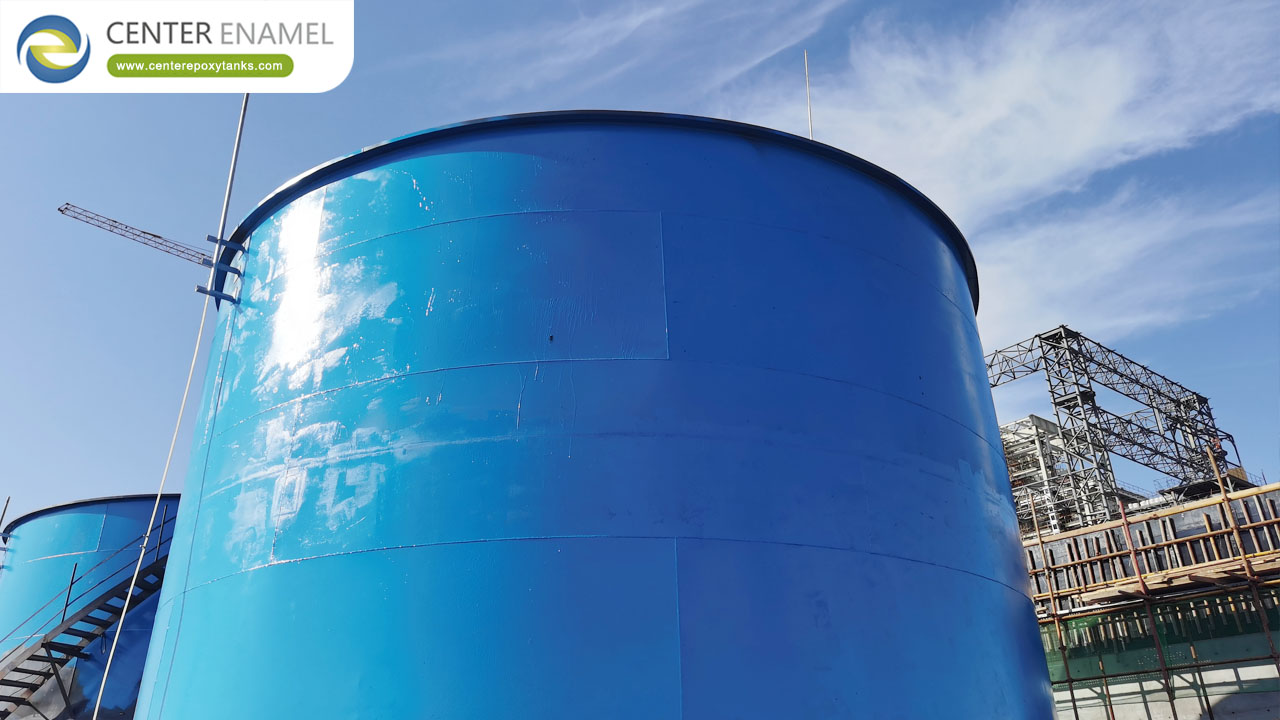
Identifying and Vetting a Reliable China Fuel Storage Tank Manufacturer
For procurement managers and project engineers, the "trust gap" in cross-border industrial sourcing is significant. Sourcing fuel storage tanks from China requires distinguishing between generic metal fabrication shops and specialized heavy-vessel manufacturers. A reliable manufacturer is not defined by marketing collateral, but by verifiable adherence to international design codes (API, UL, ISO) and transparent non-destructive testing (NDT) logs.
This guide provides the framework to qualify a Chinese manufacturing partner, ensuring that your capital asset meets global safety and operational longevity standards.
1. Defining "Reliable" Through Engineering Standards
Reliability in fuel tank manufacturing is synonymous with compliance. Do not rely on generic "manufacturer" labels; demand evidence of compliance with the standards appropriate for your specific application:
API 650 (Atmospheric Vertical Tanks): The global benchmark for large-scale, field-erected vertical storage. A reliable factory will have the structural calculation software (e.g., TANK or Compress) to prove their shell thickness designs against your site-specific wind and seismic loads.
UL 142 (Shop-Fabricated Tanks): Mandatory for smaller, horizontal or vertical aboveground tanks. If a manufacturer cannot provide a UL certificate file number, they are not qualified for high-security or regulated commercial fuel storage.
ISO 9001/14001: These are baseline requirements. Look specifically for ISO 3834 (Quality requirements for fusion welding of metallic materials)—this is the indicator of a true tank fabrication specialist.
2. Technical Vetting: The 4 Pillars of Quality
When auditing a potential partner, move beyond the website and request deep technical documentation.
A. Material Traceability (The MTR Check)
A reliable factory purchases steel directly from major mills (like Baosteel or Ansteel) and provides Mill Test Reports (MTRs) for every batch of plate stock.
What to look for: The MTR must show the heat number, chemical composition (carbon equivalents), and physical testing results (tensile/yield strength) that match your project’s material specifications (e.g., ASTM A36 or Q345R).
B. Welding Procedures (The Structural Backbone)
Welding is the #1 failure point in fuel storage tanks.
Procedure Qualification Record (PQR): Ask for the factory's PQR documentation.
Submerged Arc Welding (SAW): For long-seam shell welds, reliable manufacturers utilize automated SAW rigs, not manual stick welding. SAW provides the deep penetration and consistent bead quality required for pressure-boundary integrity.
C. Coating & Internal Linings
Corrosion is the silent killer of storage tanks.
Internal Lining: For aviation fuel or biofuels, ensure the manufacturer uses certified amine-cured epoxy linings applied in a climate-controlled booth.
Surface Prep: Demand an Sa 2.5 (near-white metal) blast cleaning standard. If they are painting over loose scale or rust, the tank is structurally compromised from day one.
D. Non-Destructive Testing (NDT)
A reliable partner will not just tell you they check their welds; they will provide a report.
Radiographic Testing (RT): Spot checks are insufficient. Demand an X-ray testing log for all critical vertical "T-joints" in the tank shell.
Vacuum Box Testing: Verify that floor-lap welds have been tested using soap solution and a vacuum box to ensure 100% leak-proof continuity.
3. Procurement Verification Matrix
Use this scorecard to evaluate potential manufacturers during the Request for Proposal (RFP) stage.
Audit Parameter | Reliable Partner | High-Risk Shop |
Welding Certification | ISO 3834 / AWS D1.1 | None / Self-declared |
NDT Methodology | 100% RT/UT/Vacuum logs provided | Verbal assurance only |
Third-Party Access | Welcomes SGS/Bureau Veritas inspections | Restricts/Blocks outside auditors |
Design Software | Licensed API/ASME calculation suites | Hand-drawn/generic CAD blocks |
Coating Environment | Humidity-controlled spray booth | Outdoor/Dusty yard |
4. Operational Due Diligence: The "Site Visit"
Even in the digital age, a "reliable" Chinese partner is one who accommodates physical or digital transparency. If you cannot visit, hire a local Third-Party Inspection (TPI) agency.
Frequently Asked Questions (FAQ)
Q: How do I handle international customs and shipping for large tanks?
A: Reliable manufacturers will have an "Export Department" familiar with break-bulk shipping for large plates or containerized shipping for shop-fabricated tanks. Ensure the contract terms are clear on Incoterms (e.g., CIF or DDP) and that the manufacturer provides a certified packing list for customs clearance.
Q: What is the benefit of a "Bolted" tank vs. "Welded" tank?
A: Welded tanks (API 650) are generally stronger and better for massive bulk storage. Bolted tanks (often used for smaller UL 142 applications) are faster to install and are "flat-packed," significantly reducing international shipping costs. Your manufacturer should be able to advise which design is more cost-effective for your site.
Q: Can a reliable manufacturer help with the foundation design?
A: Yes. While the factory usually supplies the tank shell, a reliable manufacturer will provide the "loading data" (dead load, live load, and wind uplift calculations) which your local civil engineer must use to design the concrete foundation. Never accept a "generic" foundation drawing.


