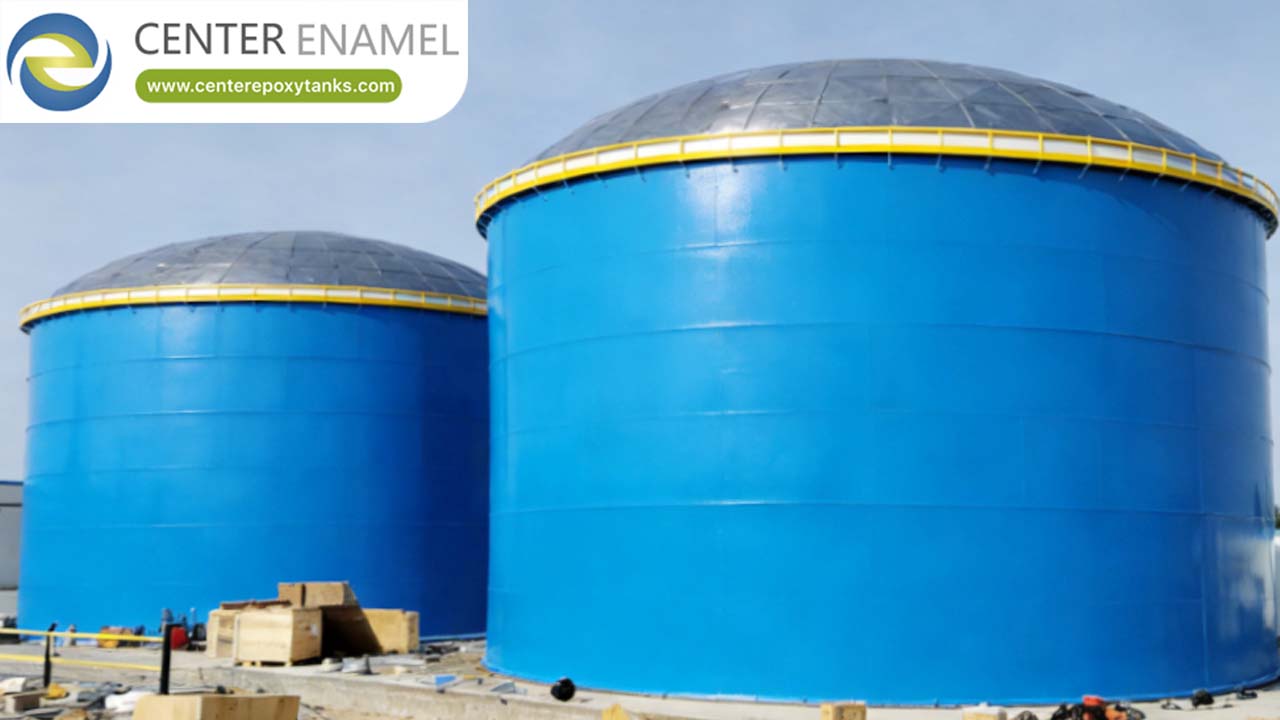
A Full-Service China Welded Carbon Steel Tanks Manufacturer: Your Trusted Partner for Fuel & Oil Storage
In the global energy, petrochemical, and industrial supply chain sectors, the safe and efficient containment of liquid fuels, crude oil, and refined petroleum products is critical. From bustling coastal oil terminals and inland refineries to remote power generation plants, bulk fuel management demands absolute structural integrity, flawless weld quality, and stringent regulatory compliance.
As a leading China welded carbon steel tanks manufacturer, delivering industrial-grade storage solutions requires mastering advanced metallurgy, precise fabrication techniques, and strict adherence to international safety codes. By combining heavy-duty carbon steel plate construction with expert engineering and comprehensive quality assurance, modern welded steel tanks provide the robust, reliable envelope required for long-term fuel and oil storage.
Engineering Excellence: The Foundation of API 650 Welded Tanks
When storing millions of gallons of combustible or flammable liquids, engineering standards leave no room for error. The gold standard for aboveground welded steel liquid storage is governed by the American Petroleum Institute (API 650):
Strict Compliance and Design Parameters: API 650-compliant tanks are engineered for atmospheric and low-pressure service (up to 2.5 psig design pressure). Shell plate thicknesses are meticulously calculated using variable design methods based on product specific gravity, tank height, and seismic load requirements.
High-Grade Carbon Steel Materials: Constructed using approved structural carbon steel plates (such as ASTM A36, SA-283 Grade C, or SA-516 Grade 70), these tanks offer exceptional tensile strength, impact resistance, and durability under severe environmental conditions.
Advanced Welding and Non-Destructive Testing (NDT): All structural seams undergo 100% full-penetration welding executed by certified welding specialists. Rigorous NDT protocols—including radiographic (X-ray/UT) testing, vacuum box testing of bottom plates, and magnetic particle inspection—ensure absolute defect-free joint integrity.
Tailored Roof Configurations: Depending on the stored product's volatility, tanks are fabricated with fixed cone/dome roofs (for diesel and fuel oil) or internal/external floating roofs (for gasoline and jet fuel) to suppress vapor emissions and mitigate fire risks.
Technical Performance Matrix: Bulk Fuel Storage Options
Technical Parameter | Field-Erected API 650 Welded Carbon Steel Tanks | Shop-Fabricated Horizontal Steel Tanks | Flexible Fuel Bladder Containment |
Volumetric Scalability | Massive capacity range; easily engineered to store tens of thousands of cubic meters | Strictly limited by transport dimensions and highway clearance caps | Moderate-to-high capacity, but restricted by structural material tensile limits |
Structural Resilience & Wind/Seismic Safety | Superior; vertical cylindrical structure anchored to engineered concrete ringwalls to withstand high winds and seismic events | Rigid steel shell, but vulnerable to displacement if support saddles or foundations shift | Vulnerable to puncture, tearing, and external physical damage from weather or debris |
Design Lifespan & Durability | Multi-decade service life (30+ years) supported by routine API 653 inspection and maintenance cycles | Long-lasting if properly coated, but difficult to internally inspect or repair on a large scale | Shorter operational lifespan due to polymer aging, UV degradation, and seam fatigue |
Frequently Asked Questions (FAQ)
Q: What makes API 650 the essential standard for fuel and oil storage tanks?
A: API 650 is the globally recognized engineering benchmark for welded steel storage tanks. It establishes rigorous rules for material selection, shell thickness calculations, welding procedures, and quality testing, ensuring that fuel storage tanks can safely withstand hydrostatic loads, internal pressures, and severe environmental forces.
Q: How are large-scale welded carbon steel tanks constructed on-site?
A: Tanks exceeding transportable road dimensions are built via field erection. Steel plates are pre-cut, rolled, and shipped flat-rack or containerized to the project site, where specialized erection crews assemble, weld, and test the tank sequentially on a prepared concrete foundation ringwall.
Q: What corrosion protection measures are integrated into carbon steel fuel tanks?
A: Manufacturers apply high-performance industrial coating systems tailored to the stored product, including interior epoxy linings resistant to hydrocarbon immersion and exterior weather-resistant polyurethane coatings. Additionally, cathodic protection systems are frequently integrated to safeguard bottom plates against soil-side corrosion.
Q: Can welded carbon steel tanks be customized with internal floating roofs for volatile fuels?
A: Yes. For volatile products like gasoline, aviation fuel, or naphtha, tanks can be custom-engineered with internal floating roofs (IFRs) compliant with API 650 Appendix H specifications to eliminate vapor spaces, drastically reduce Volatile Organic Compound (VOC) emissions, and enhance fire safety.


